Monthly Archives: December 2011

Fall CSA Week Seven

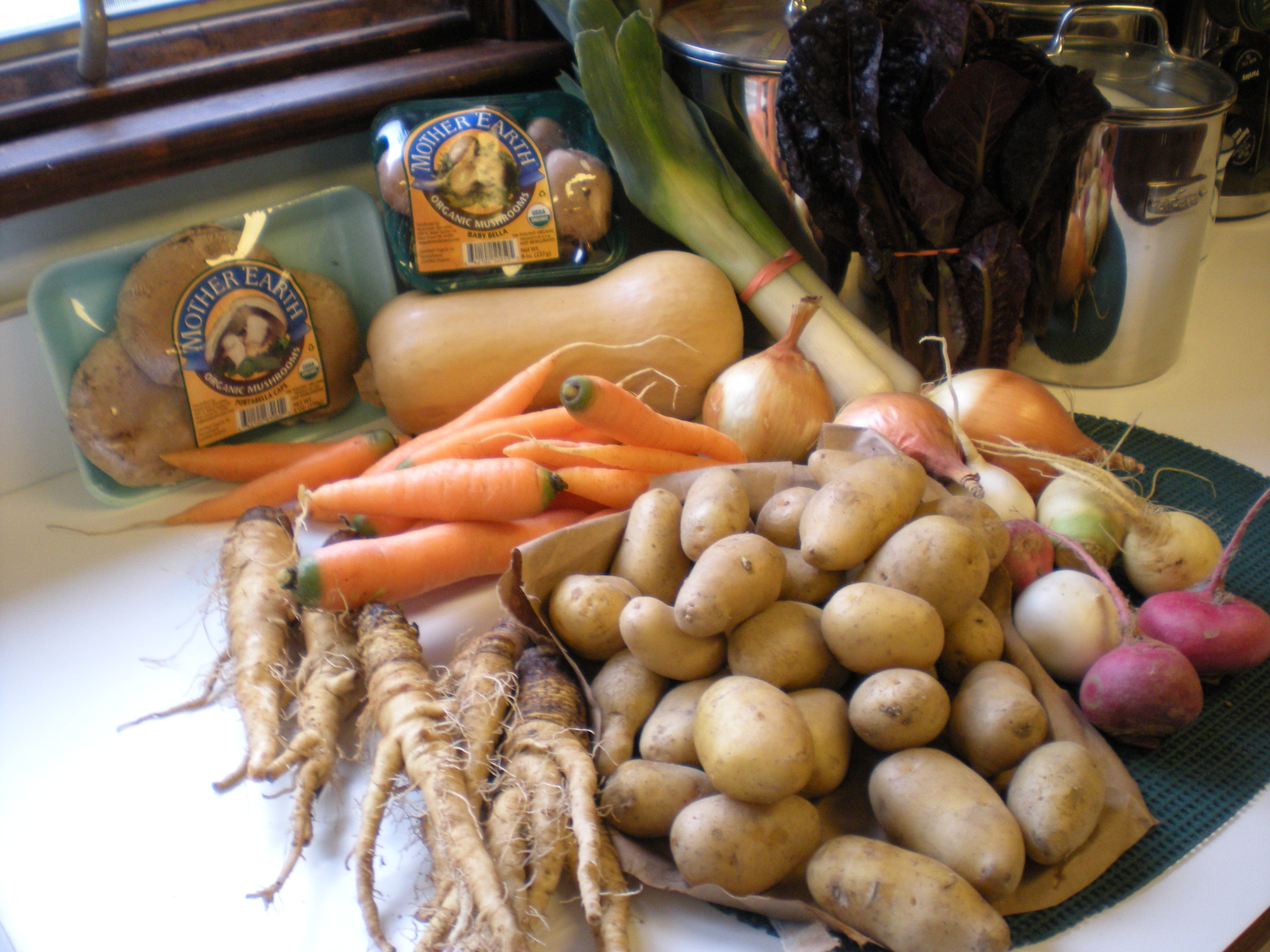
It is the next to last week of our fall CSA and we are winding down with a bang, more or less. There were two very large bags there, one containing carrots and the other containing fingerling potatoes.

What did we get?

the bag of carrots
the bag of fingerlings
baby bellas
portabellas
butternut squash
two heads red romaine lettuce
mixed bag turnips
3 yellow onions
salsify (new for me)
2 leeks

The mushrooms are wonderful. They are one of the reasons I went with this CSA. Mother Earth is part of the Co-op.

Now these root veggies are just making me want to create a roasted meal sometime soon.

My Other Hobby – Volunteering

I haven’t written about what consumes my fall and spring days. Volunteering as a naturalist at a local non-profit, where I lead preschoolers and grades one and two through a 232 acre preserved farm, bequeathed by two sisters who taught in Howard County. Their charge to the Conservancy was simple. Connect children to nature.

I love it there. Imagine a location with minimal impact from urban life. Beehives where some of my honey originates. A local apiary sells it and half the money comes back to the Conservancy.

Chickens, goats, and a barred owl — all there for the children to learn from. A couple of streams that feed the Patapsco River.

Community gardens that inspire me. Talented giving people who volunteer there. A great staff. Programs for families.

What more could you ask for, when looking for something satisfying to do in retirement?

Reading the Labels

Today, after Christmas shopping for a while, I stopped at The Common Market in Frederick to find a few local items for the Dark Days Challenge. They advertise quite a bit of stuff that is from a 150 mile radius of Frederick. But that does not guarantee that the source of the ingredients meets that criterion.

Labels tell you lots of things. I know mango isn’t local, but a jar of chutney boasts the 150 mile claim, and mango is an ingredient. Their bulk foods also don’t always give the origin of the item, maybe the producer but not where it was grown.

Still, a productive trip. I got a little spelt to experiment with, for making breads. I can get organically grown local spelt from Small Valley and from Rodale Institute. This spelt may be from Ohio, which is a little farther than 200 miles away.

Do I use it in a Dark Days Challenge since I can source it locally, or be a purist and pass? If it works out, I will order some from Rodale.

I found corn meal the other day from Burnt Cabins. Mixed with white spelt, I can now do polenta. I can also do pasta. I also found a local source for emmer. The Common Market also sells it, but no idea of the source. I may be doing an order from Small Valley, where they sell emmer kernels.

I also found raw Virginia peanuts. Woo Hoo! Stir fry here I come!

This challenge is enlightening. I have greatly expanded my sources of food.

Dark Days Challenge Week Three

I find Sundays to be the best day to do the Dark Days Challenge as I am home watching football, and dinner can be made around games and halftime. I promised the OM (old man) in amateur radio lingo (as an aside I am the XYL or X young lady, single women are YLs) that he wouldn’t suffer with bad meals because I am doing this challenge. So far I think I am delivering really good food while staying within the parameters of the challenge. All of my sources are now being listed on my local resources page.

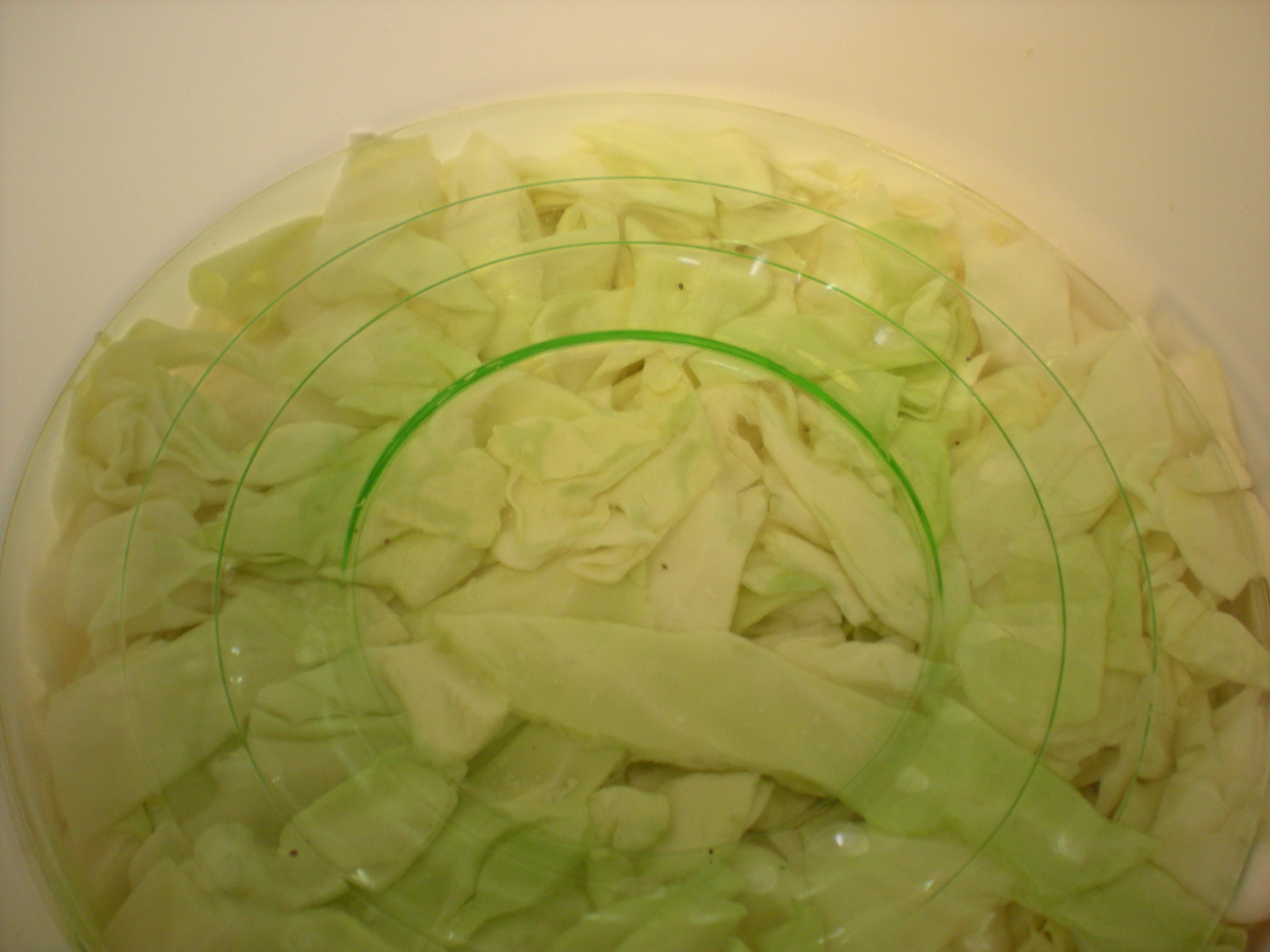
It all started with sauerkraut. I made my first batch of sauerkraut two weeks ago. This is the last of it.

I put a new batch together in the pail and will have more for meals over the holidays. Probably taking some to my brother’s house for Christmas Eve. The cabbage is from our CSA.

The sausage I bought Saturday at the Silver Spring year round farmer’s market.

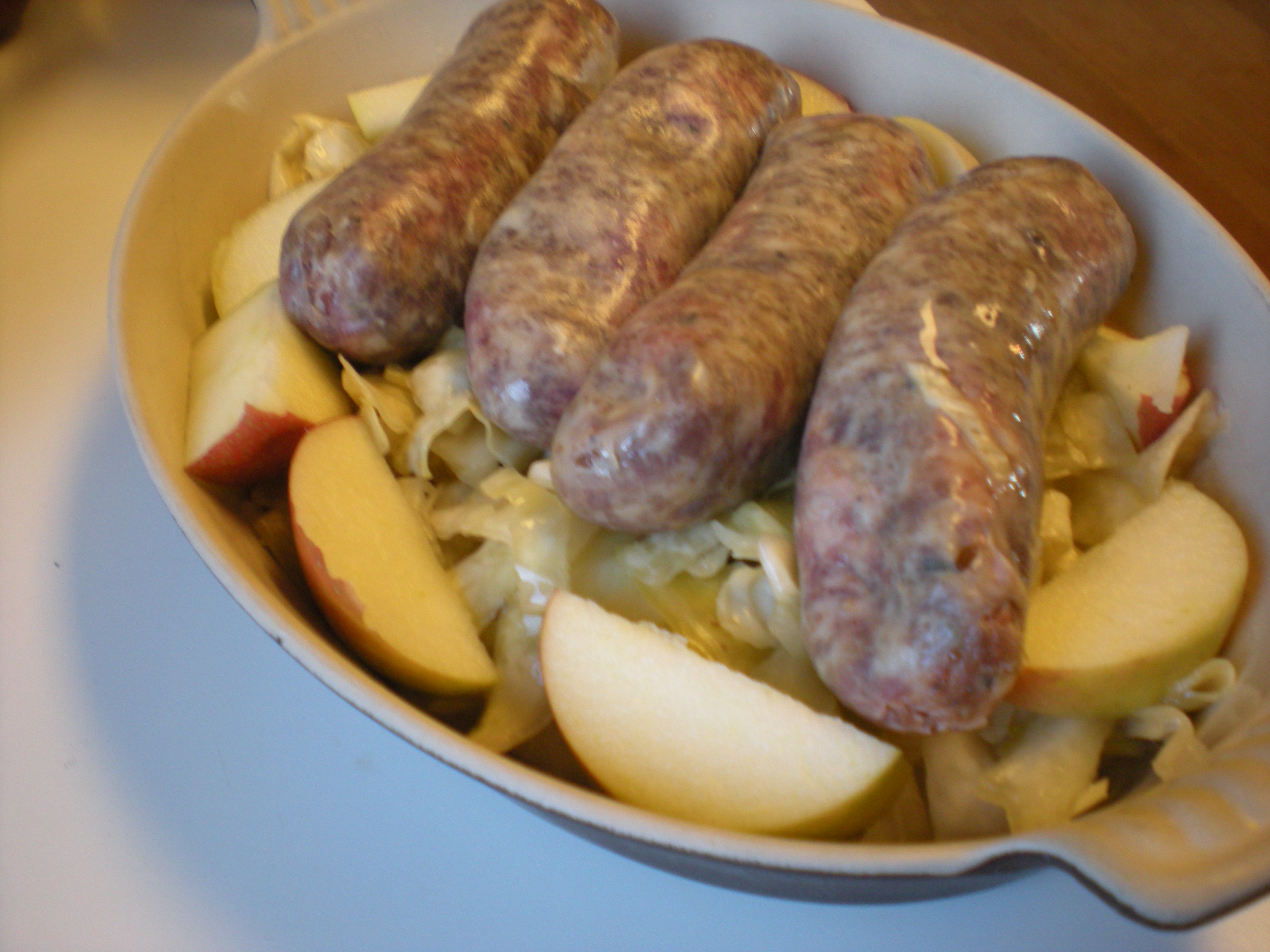
Sausage, sauerkraut, and a honeycrisp apple from Quaker Valley. Ready to bake.

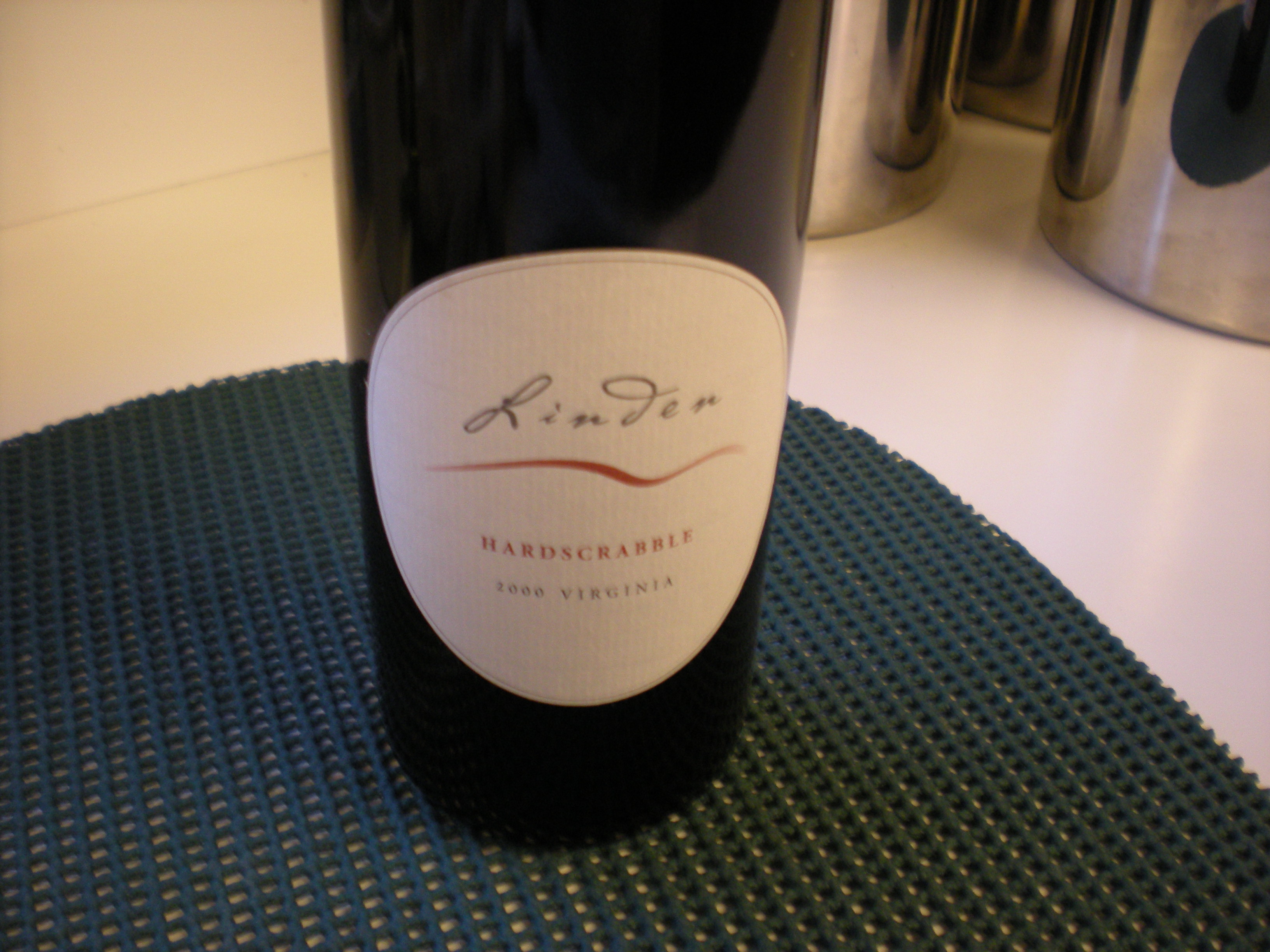
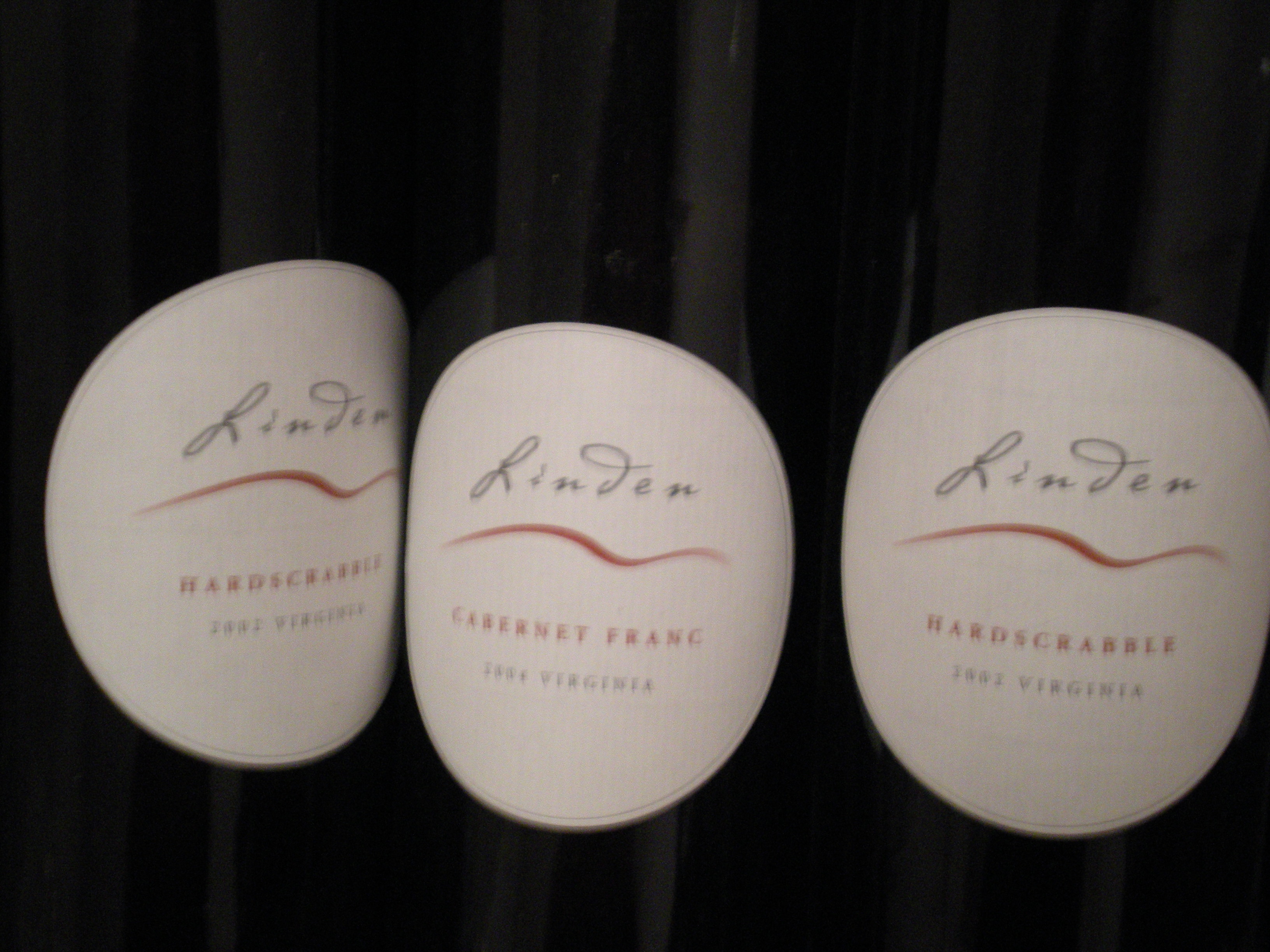
I made a spinach salad. Spinach from Our House Farm, rest of the veggies from the CSA, and cheese from Bowling Green Farm in Howard County. Vinaigrette from Catoctin Mountain Orchards. Spelt bread from Atwater’s. Butter from South Mountain Creamery. The wine is a 2000 Linden Hardscrabble Cabernet Blend from VA from the cellar. Virginia has some phenomenal wineries, and Linden’s wines are some of the best here. This wine is still a baby after 11 years.

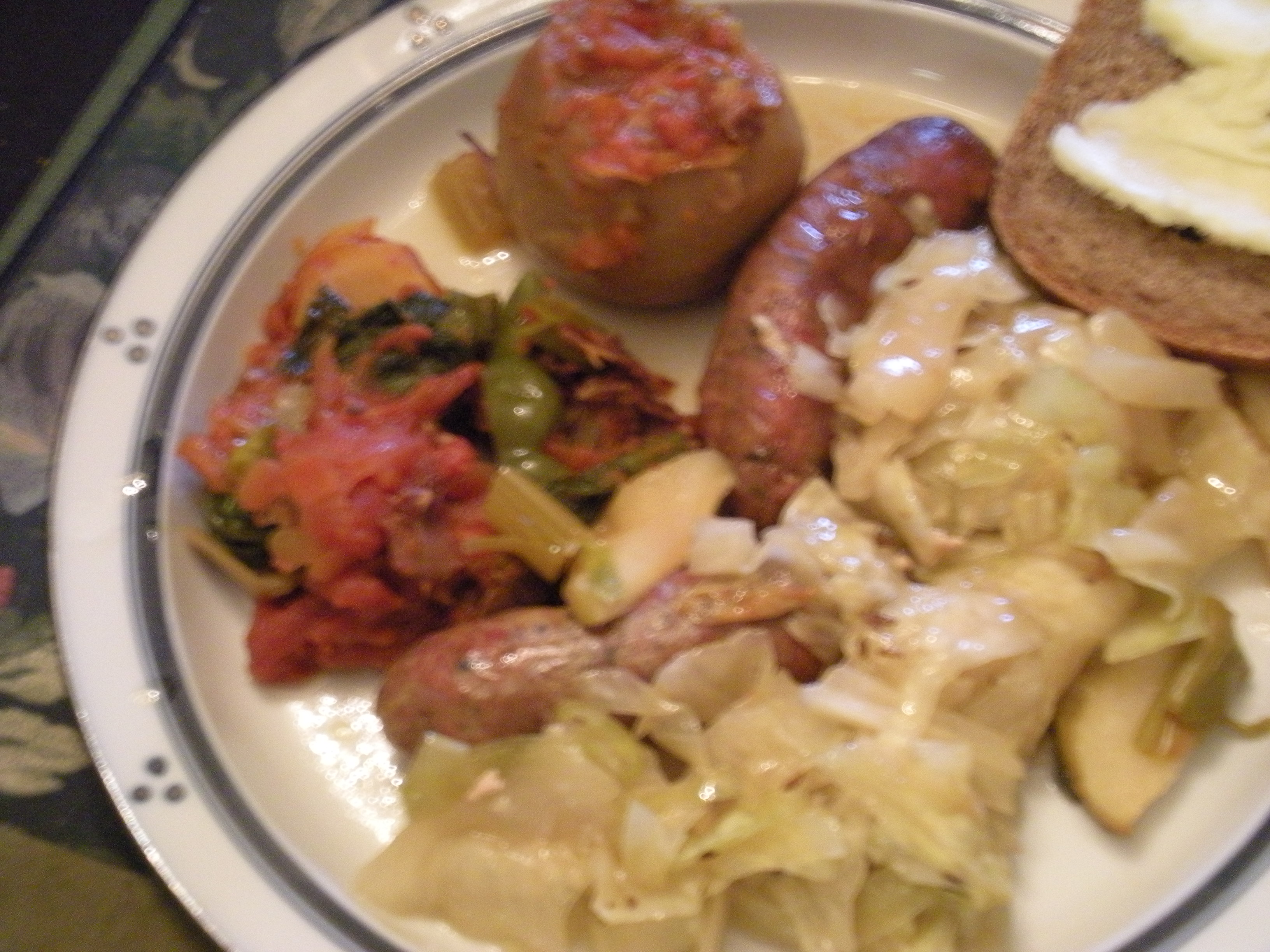
The finished dinner, including a side of roasted root veggies left over from earlier in the week. The veggies were all from the Dupont Circle Farmer’s Market or the CSA, and all were local and organic, including the huge roasted black radish which was wonderful after slow roasting. It also included plum tomatoes, celery, carrots, onions and greens. After roasting the veggies earlier this week I strained and saved the veggie stock to use later for other meals.

Who says Dark Days have to be dull? We can cook great meals with local ingredients, with a little planning.

Drink Naked

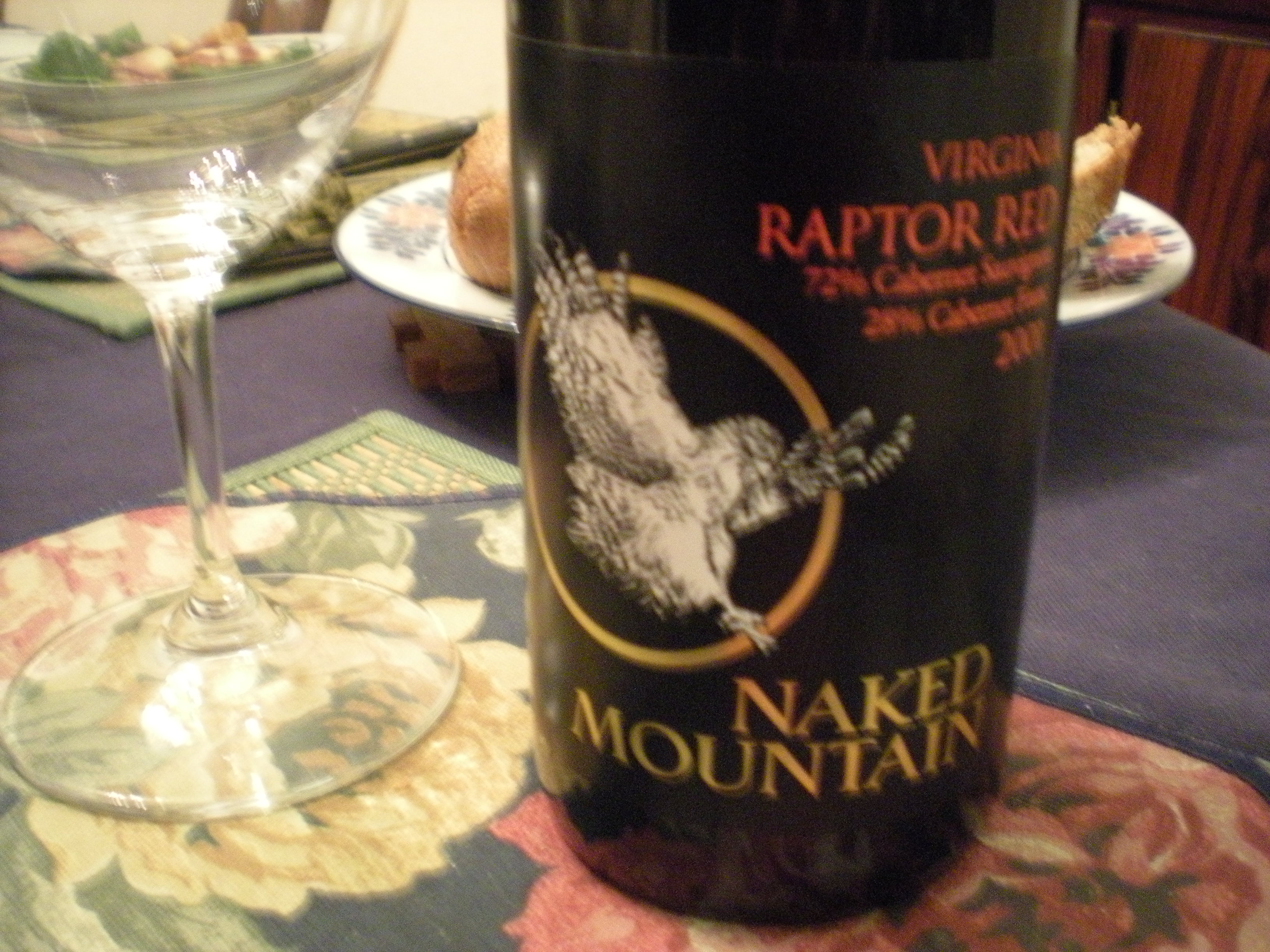
One of my favorite sayings. Many years ago, Naked Mountain was featured at a White House dinner, proving Virginia wine had come of age. We started collecting reds from our favorite vineyards, making us locavores or locawinos (is there such a word) long ago.

We started collecting them in 1990, and many have proved to be spectacular years later.

Besides the few Maryland wineries we love, like Black Ankle and Boordy, we have many favorites in Virginia.

Here are just a few samples of excellent big wines years after cellaring.

The Linden 2000 was amazing, not even ready to drink.

Now this is a loaf of bread!

In my quest for local foods, I visited the Silver Spring Freshfarm market today. It is the closest year round market to me. About 20 miles south of us.

Atwater’s has a restaurant and store in Catonsville MD, where I can visit when going into town to see my mom, but it is more convenient to me to get their breads at the market.

Their spelt bread is made from all natural ingredients, including locally grown spelt from PA. They had two kinds at the market, one plain and one with walnuts.

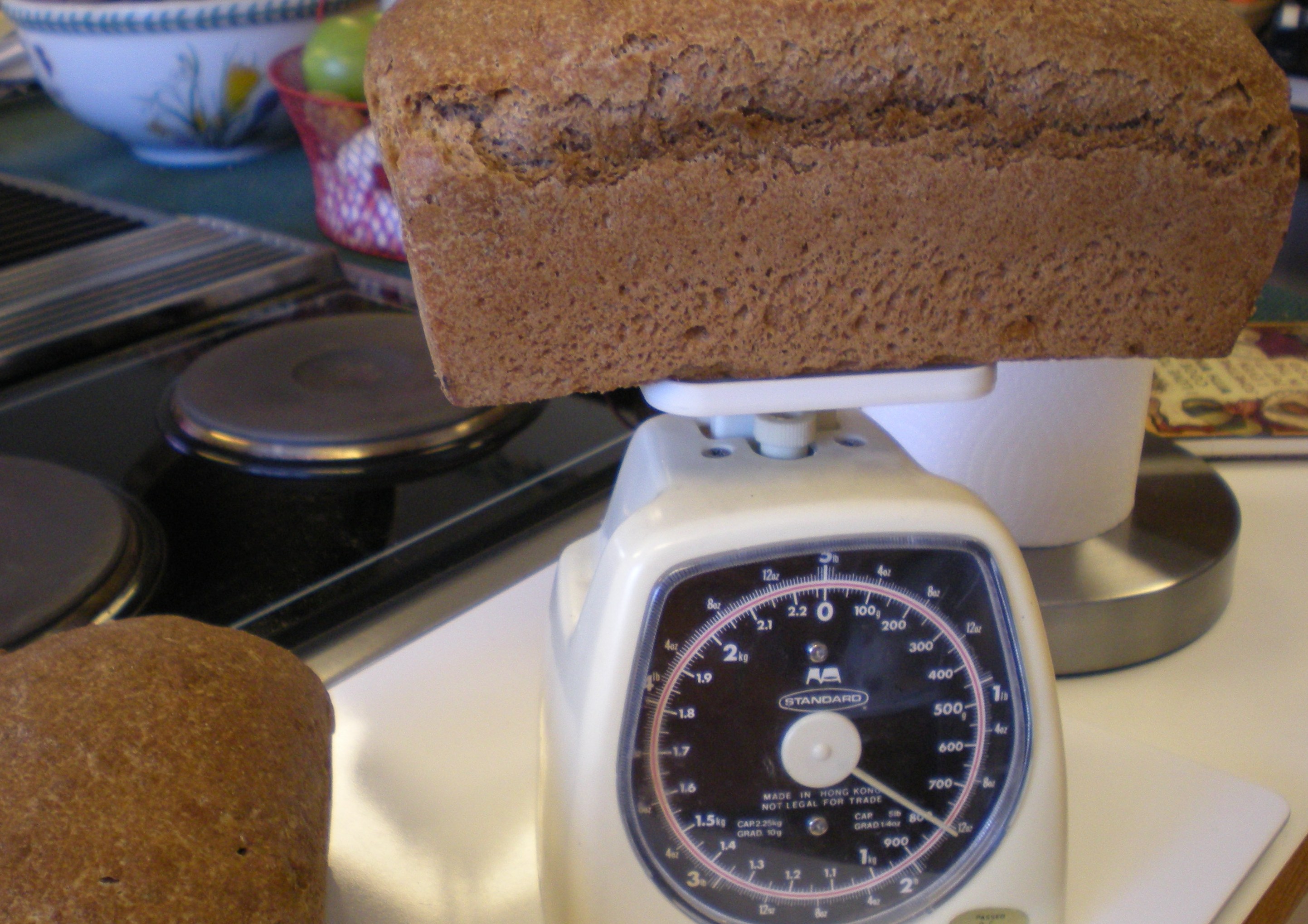
This is one hefty loaf of bread.

28 ounces!

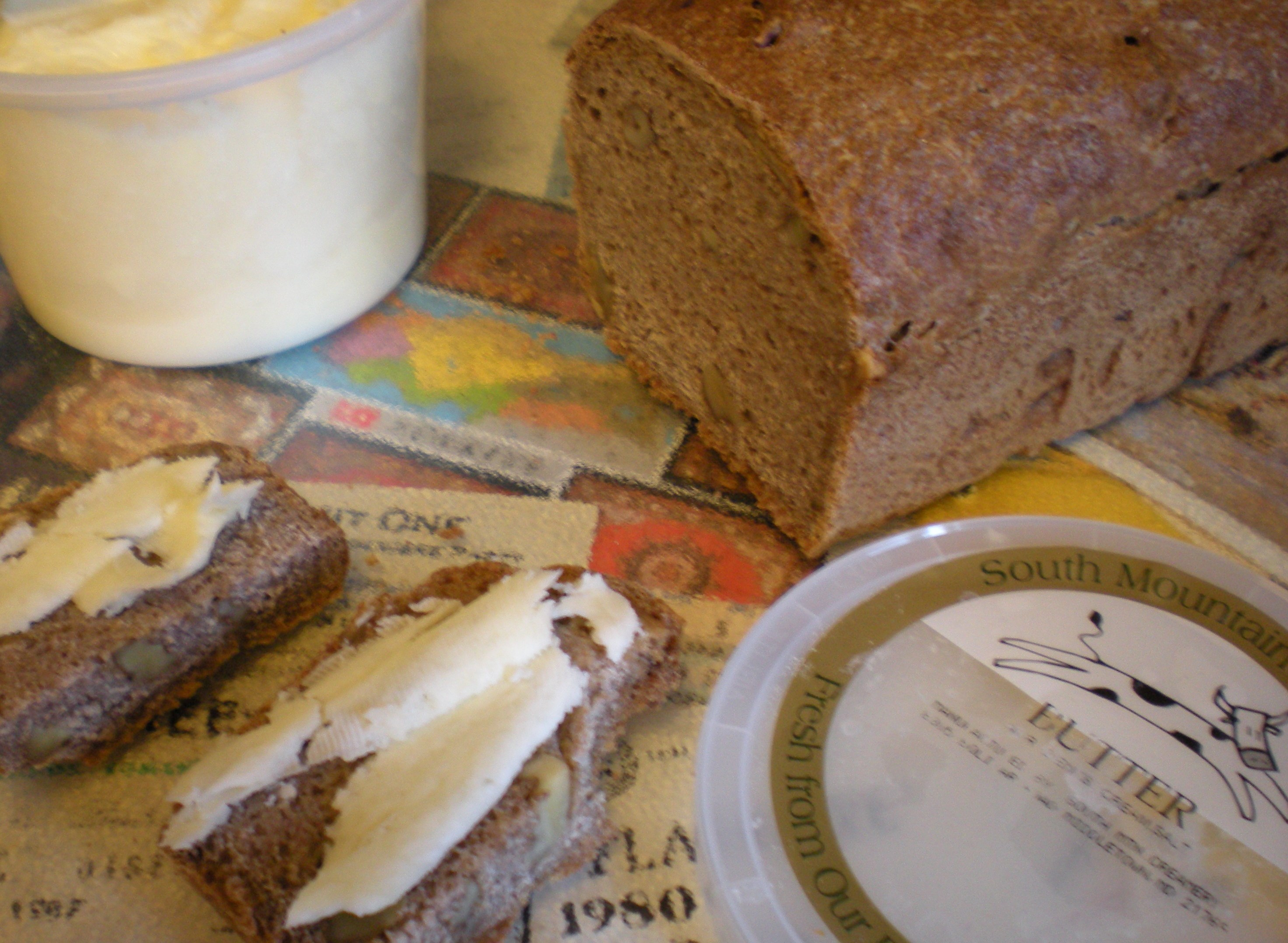
We tried the walnut spelt as a snack, and really like the dense chewy texture of it.

Dark Days will be easier with local breads.

SOLE Food vs SLE Food vs SOE Food

Posted on

That is the dilemma. I have been researching the sources of food from the nearest markets and artisanal vendors where many items I use in cooking originate. It has been most enlightening to find that what I may think is local, really isn’t. And, what I may think is organic, is or isn’t, and even then, what does organic mean on some of the foods I buy?

I have become more of a locavore in the past seven years, removing many items from my diet that created problems due to allergies or sensitivities. I have been decreasing the amount of foods with preservatives, and cooking with fresh or flash frozen items. I have gotten farther and farther away from canned or jarred or frozen sodium laden foods.

Things that I believed were produced using local ingredients, weren’t always. They may have been produced locally, but work down the ingredient list and WOW! — eye opening at best. Organic has become a real buzzword as well.

I know some background on how wine is labeled. Pick a local wine and see American on the label and it isn’t grapes from the state where the winery is located. You have to look for the word Estate on the label to ascertain if the grapes were from the vineyards, or the grapes may have been trucked in, or juice brought in.
I have been looking hard at our local organic bread makers. Is it more important to have local grains, or organic grains, or what?

I am committed to reducing my carbon footprint and replacing items flown halfway around the world with items available locally. I also believe passionately in supporting small local entrepreneurs even if they don’t use 100% local ingredients, but look for quality natural, maybe organic or IPM fruits and vegetables. Many sources of my foods are moving in that direction. Keeping them viable by supporting them is more important to me.

I am starting my own personal challenge of cooking at least one “Small Business Sustaining” meal each week, as well as doing Dark Days. It may not be big or exciting but it is my way of making a tiny difference.

Real Time Farms has inspired me. I think it is a great resource and I will be using it to look for more sources even after Dark Days are over.
Fall CSA Week Six

Posted on

Getting towards the end of the fall CSA. We will be going through fresh veggie withdrawal, and this CSA does not start up again until May. It was rainy and muddy picking up our box, but there were twelve wonderful additions to the fridge.

We received:
Red Romaine Lettuce
2 baby bok choi
1 large leek (plus the extra one that I got when I swapped the lacinato kale)
a bag of green and red mustard greens
a bag of mixed cooking greens
butternut squash
a bag of garlic
a bag of carrots
a bag of Beauregard sweet potatoes
purple topped turnips
1 large rutabaga

All organic, and this week’s box was quite a bit different than last week, which is a good thing. I like the variety.

I am making sauerkraut again with last week’s cabbage, and will be making “pumpkin” bread using two of the squashes that I have been saving. I find butternut squash works great in many zucchini or pumpkin bread recipes. Looks like a stir fry later in the week as well. I did find organic chicken thighs at the natural foods store yesterday, and have enough other stuff in the pantry to make chicken chow mein and use up bok choy and Napa cabbage from past weeks.

We are definitely eating better from this CSA than we did in the past, and I appreciate getting good veggies since the stink bugs have been limiting what I harvested from our garden. Can’t wait until we eliminate those pests from our environment. I heard they may have found a natural predator and are studying it. It can’t come fast enough for us.

Dark Days Week Two – Dinner Extraordinaire

Posted on

When the better half, or the OM (old man in amateur radio lingo) raves about how amazing dinner was, you know you found a winning recipe.

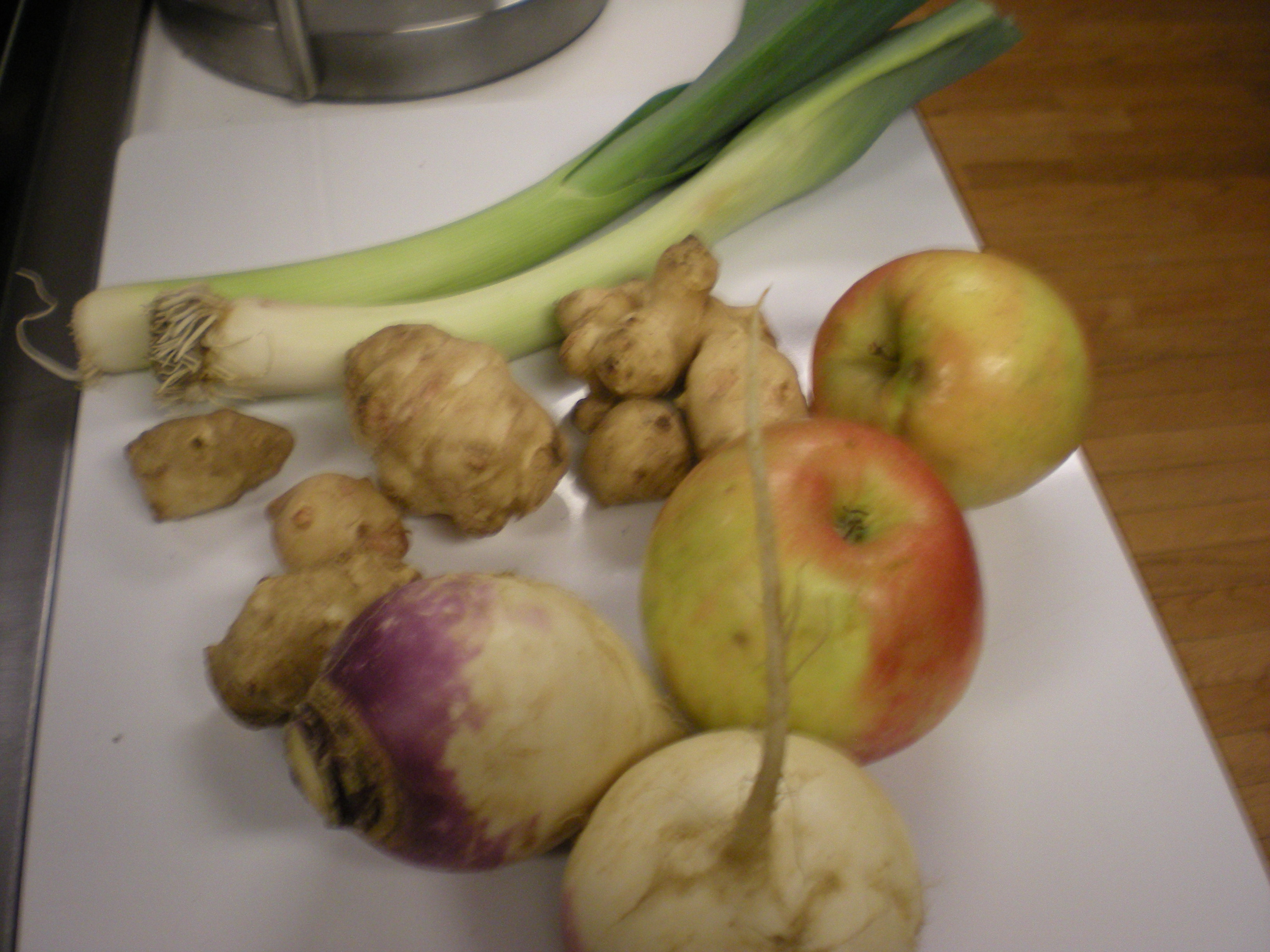
I had leftover CSA veggies to use. The fridge is out of control. Today is CSA day. What to make with turnips and Jerusalem artichokes? Enter Serious Eats to the rescue.

Turnip, Jerusalem artichoke and apple soup. Somewhat easy to make. Immensely satisfying. Add to that some Red Apron Lamb sausage, some Atwater’s baguette, and cleaning out the spinach, tat soi and radish in the crisper to make a side salad. All local except for the olive oil, salt and pepper.

The soup recipe is below.

2 small leeks, cleaned and chopped
1 clove garlic, chopped
1 small onion, diced
olive oil

Start with these in a heavy cast iron Dutch oven. Soften first, then sweat them in a 1/2 cup of water, until water almost evaporated.

Add diced turnips (3), Apples (2) and Jerusalem artichokes (about a pound total) with 2 cups more of water and a pinch of salt. Simmer it all covered for 45 minutes on low heat, then puree in a blender.

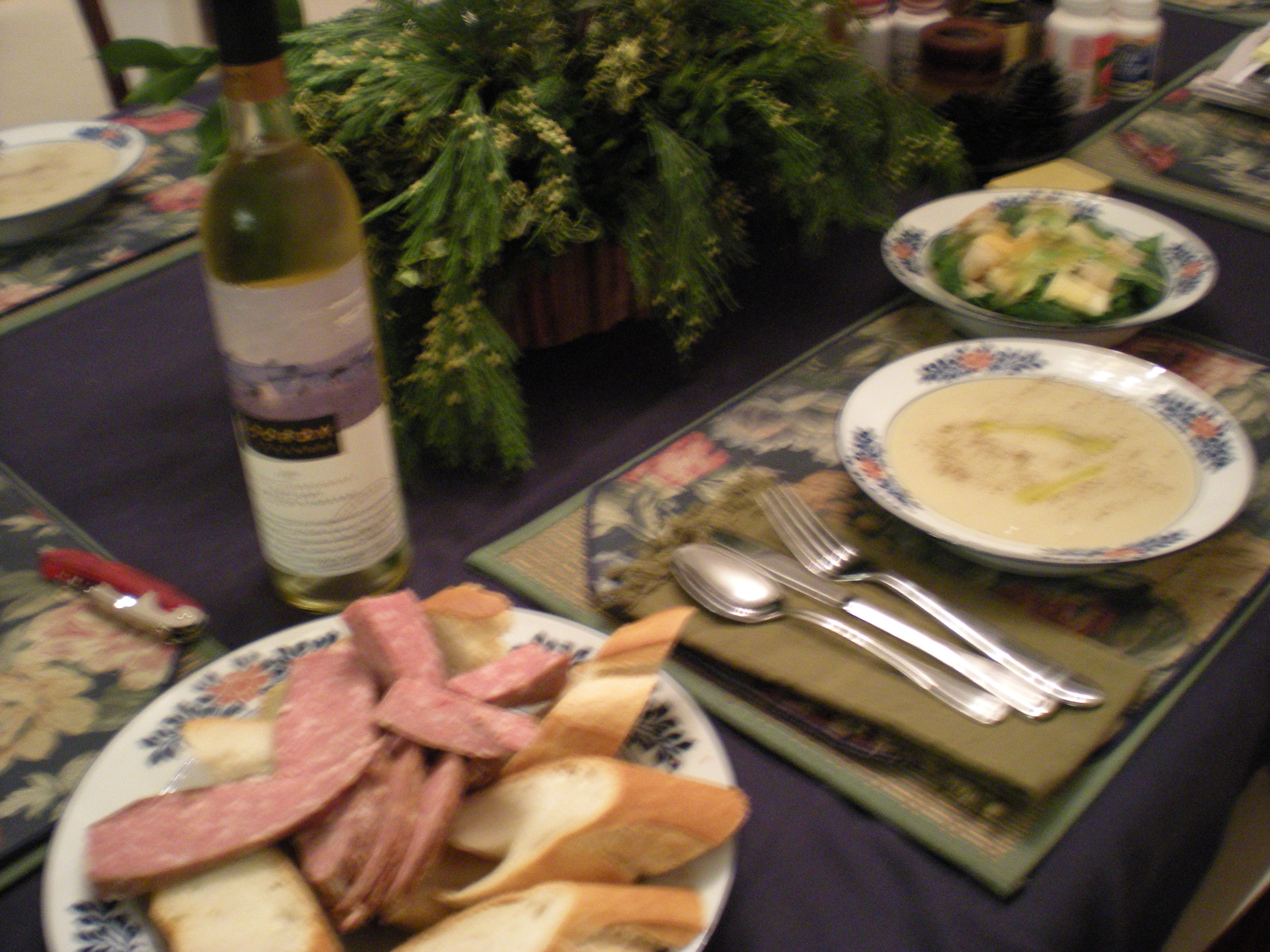
Served with a side salad of spinach, tat soi, radish and a peach vinaigrette. Sliced bread and the leftover lamb sausage from Red Apron butcher. And, of course, a local wine. Boordy Reserve Chardonnay.

Delicious.

Taking Stock

Posted on

Five weeks ago, I started blogging here. I had decided that something new and challenging was needed in my life to bridge the gap from fall to spring, my favorite two seasons.

Winter here gets a little intense at times.

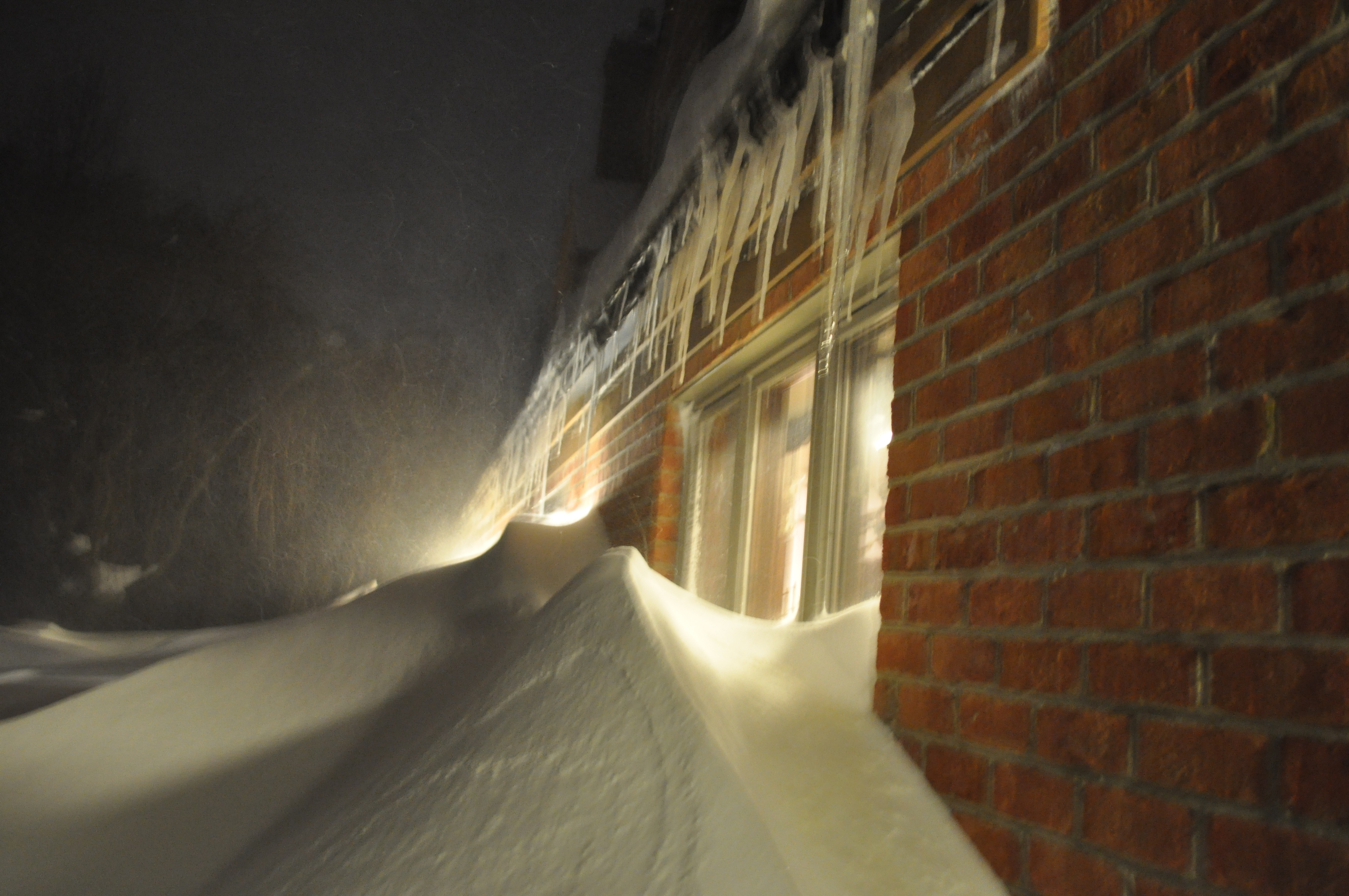
Now, this was extreme, but you know, there are advantages and disadvantages to a steep roof. The snow falls off. When the total snowfall is two feet and the roof dumps another three all around the house, it gets interesting. At least blogging will keep me sane.

I love fall.

The weather is crisp and beautiful. I still have herbs and lettuces. But then, the rains come and the temperatures drop. And then, it snows!

I was reading my first posts here and noticing how life gets in the way of planning. I noticed I planned certain events or meals and things changed. But then, that is what makes life interesting.

The Dark Days Challenge fell into my life to fill the void. I am looking forward to doing many new things, like cooking with foods from small businesses.

Why focus on this challenge? Because I miss my volunteer “job”, leading school children on nature hikes on a preserved piece of farmland not far from my home. We hike spring and fall. Dark days are here, and not the time to lead nature hikes. So, we settle in for winter, and use what we have grown, saved and can find to sustain us until spring.

I hope the snow gods are kind to us this winter. We already have more than enough moisture in the soil. Our trees are toppling in the soggy ground.

Come on Spring!