One of my most important spring time jobs is establishing the proper environment to be sure the pollinators take up residence in our yard and garden. I know I need the proper mix of flowers, bushes, bird seeds and the habitat that attracts the birds, bees and beneficial insects.
I had a coworker who lived in an area devoid of the bees necessary to pollinate her vegetables, and she resorted to hand pollination. Not what I want to do. Thankfully, we have lots of bees. Carpenter bees, honey bees, bumblebees. They will swarm around the hummingbird feeder to get to the nectar.

The flowers are also important and my perennials like my tulips and gladiola

besides attracting bees give me the pleasure of flowers on the table brightening my day.
The flowering trees attract bees and birds. The birds particularly like them once the berries are set, but in the spring the return of the bees to my cherries, mock orange, dogwoods and red bud trees tell me they are setting up shop and staying around to find my garden.

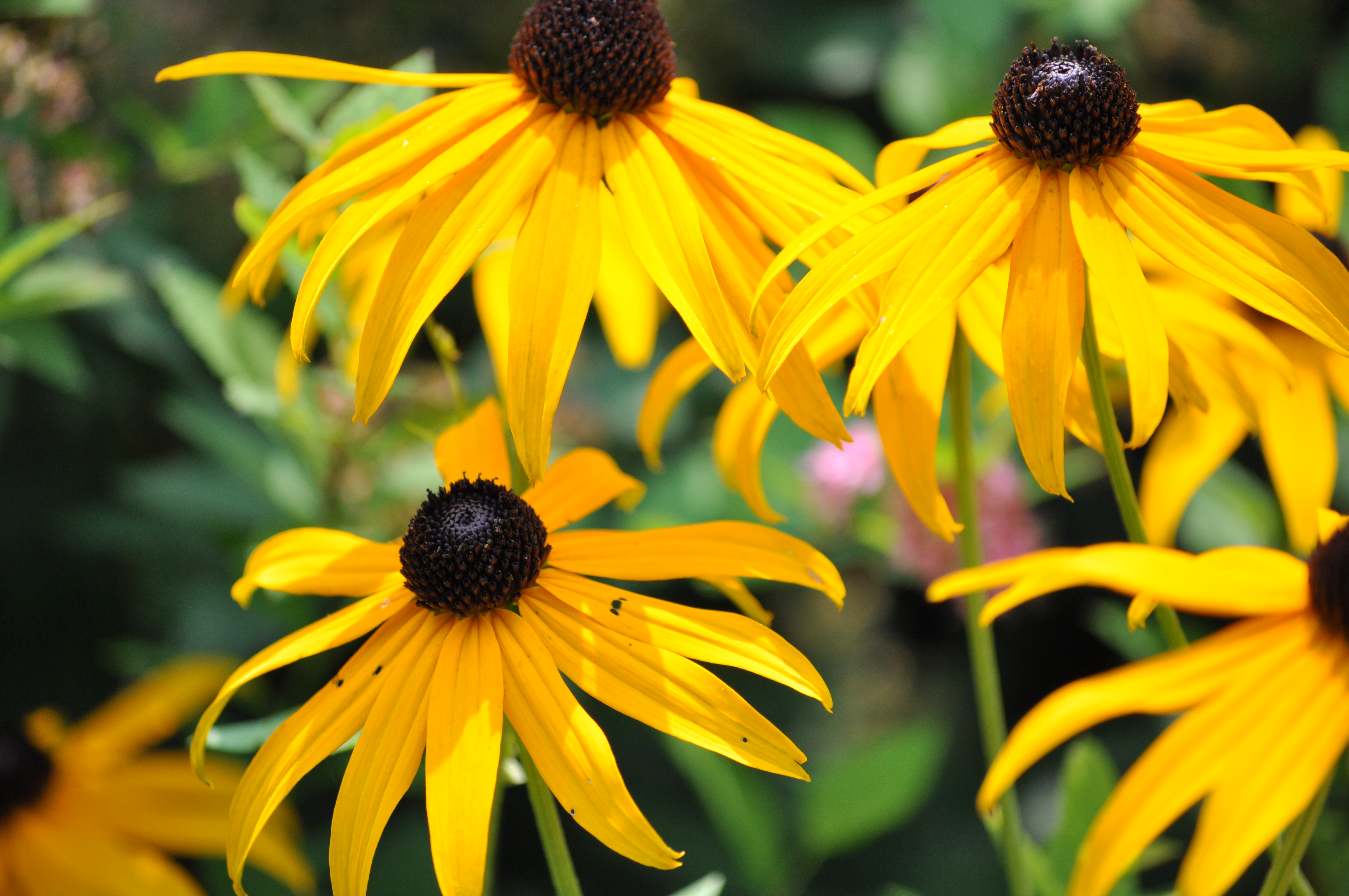
I have black eyed susans as well, the MD state flower. Once they are almost done, the finches will hang on them to get the seeds out of them.
My yard also contains spirea, which the bees crawl all over until the color has left the flowers. It contains butterfly bushes to attract butterflies and for the birds to nest in. Azaleas in the spring, another big source of color and cover in the yard. Chipmunks and bunnies hide under the wall of bushes along my house.

All in all, I have been creating a habitat to coexist with birds, bees, small animals and beneficial insects attracted to keep my garden productive.
Can’t wait to get out there and plant vegetables. I just need to make sure that I keep this little monster’s relatives out of my garden. He lives under my neighbor’s shed.






 AnnieRie Unplugged