Tag Archives: Dark Days Challenge

Dark Days Week Ten – My Personal Challenge

Posted on

This week is the week we are supposed to focus on creating a sweet dish, but I don’t bake or make candies like I did before my metabolism slowed down. Keeping temptation away from me is a good thing. But, I still buy some goodies for my husband who likes ice cream and coffee after dinner. So, his local dessert was seasonal ice cream from South Mountain Creamery.

My challenge this week is to see how many dinners I can make that are almost completely local, and when not local are organic or small family-owned business produced. I will allow myself to add one or two non-challenge items if I need to, but make the vast majority of the meal be local.

Sunday night I started off with only a few exceptions, but most of the meal was local.

The base of the meal was a sprouted whole wheat pasta, made in PA, with Angus beef sausage from MD that was baked using Breezy Willow Farm spaghetti sauce, baby bellos from Kennett Square PA and baby turnips from the Silver Spring market. Italian dried herbs, non-local, seasoned the sauce.

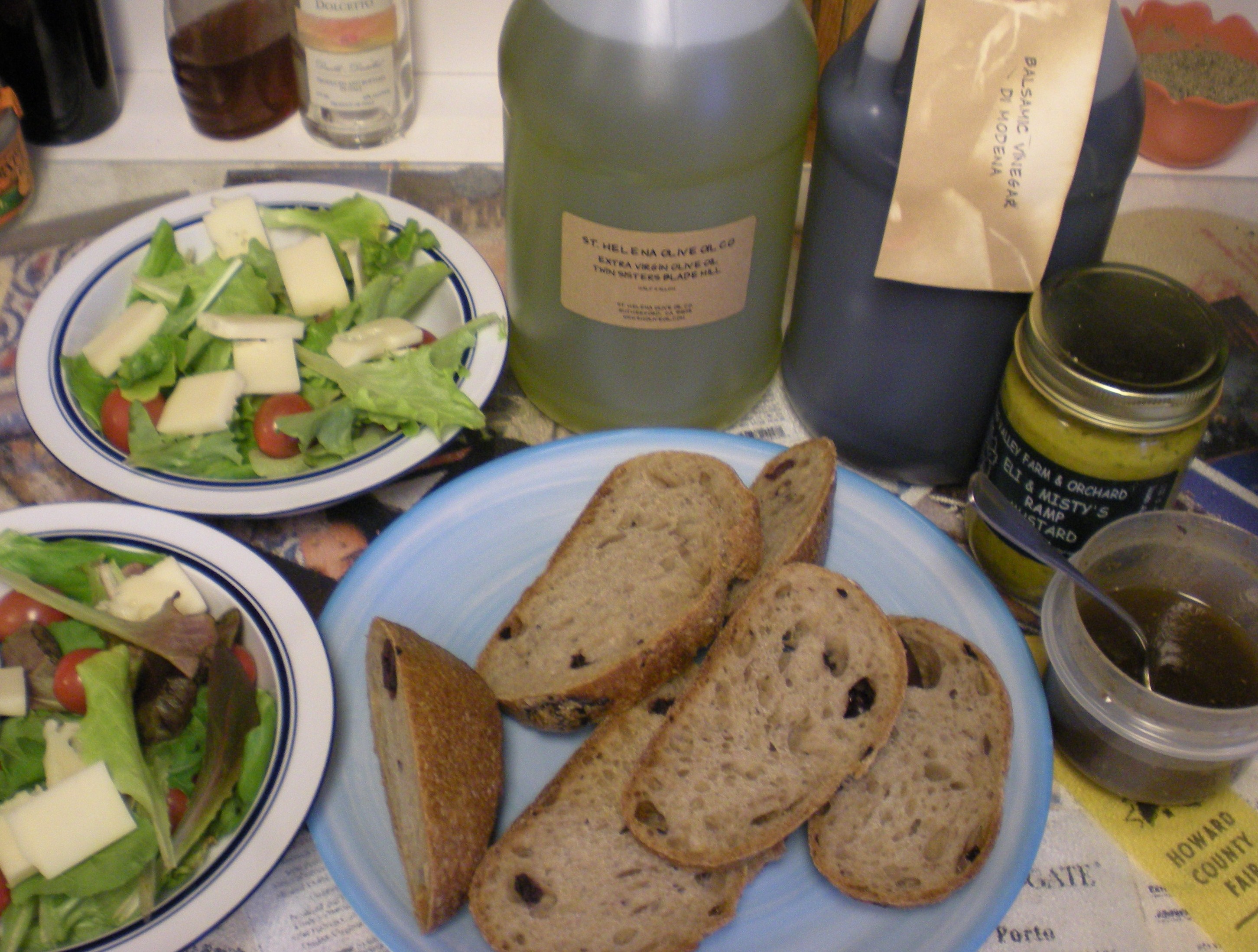
The star of the meal, though, was the salad. Mock’s Greenhouse Bibb lettuce with red onion, Firefly Farms mountain blue cheese, and non-local olives. A homemade vinaigrette from the St. Helena oil and vinegar, with ramp mustard, yogurt and honey.

The dinner was rounded out with a Naked Mountain Vineyard Raptor Red from 1995, the last one in the cellar. Still hanging in there with lots of fruit even though it was 17 years old. Virginia can make excellent wines. You just have to search around and have patience.

Overall, the pasta was a little different. Chewier, even when cooked for the maximum recommended ten minutes. Let’s just say it was an acquired taste. The sausage is so sweet, beef sausage freshly made, is definitely not the same Italian sausage taste that you would get from pork. Breezy Willow’s spaghetti sauce was very tasty, made in a slightly more watery style than commercial sauces bulked up with who knows what.

And the salad was awesome. Mountain Blue is an intense cheese. Red onions and olives added a kick. I also love this homemade vinaigrette, made in a jam jar. I use a 2 to 1 ration of oil to vinegar when adding mustard and yogurt. A tiny squirt of honey takes off the edge. Experimentation in making dressings is easy. Just add a little more of what is missing to your taste preferences and shake again.

I will keep notes and make a few posts this week to see how successful I can be in making more dinners with local ingredients.

Dark Days The Ninety Percent Solution

Posted on

Today was miserable.

It was definitely a soup day.

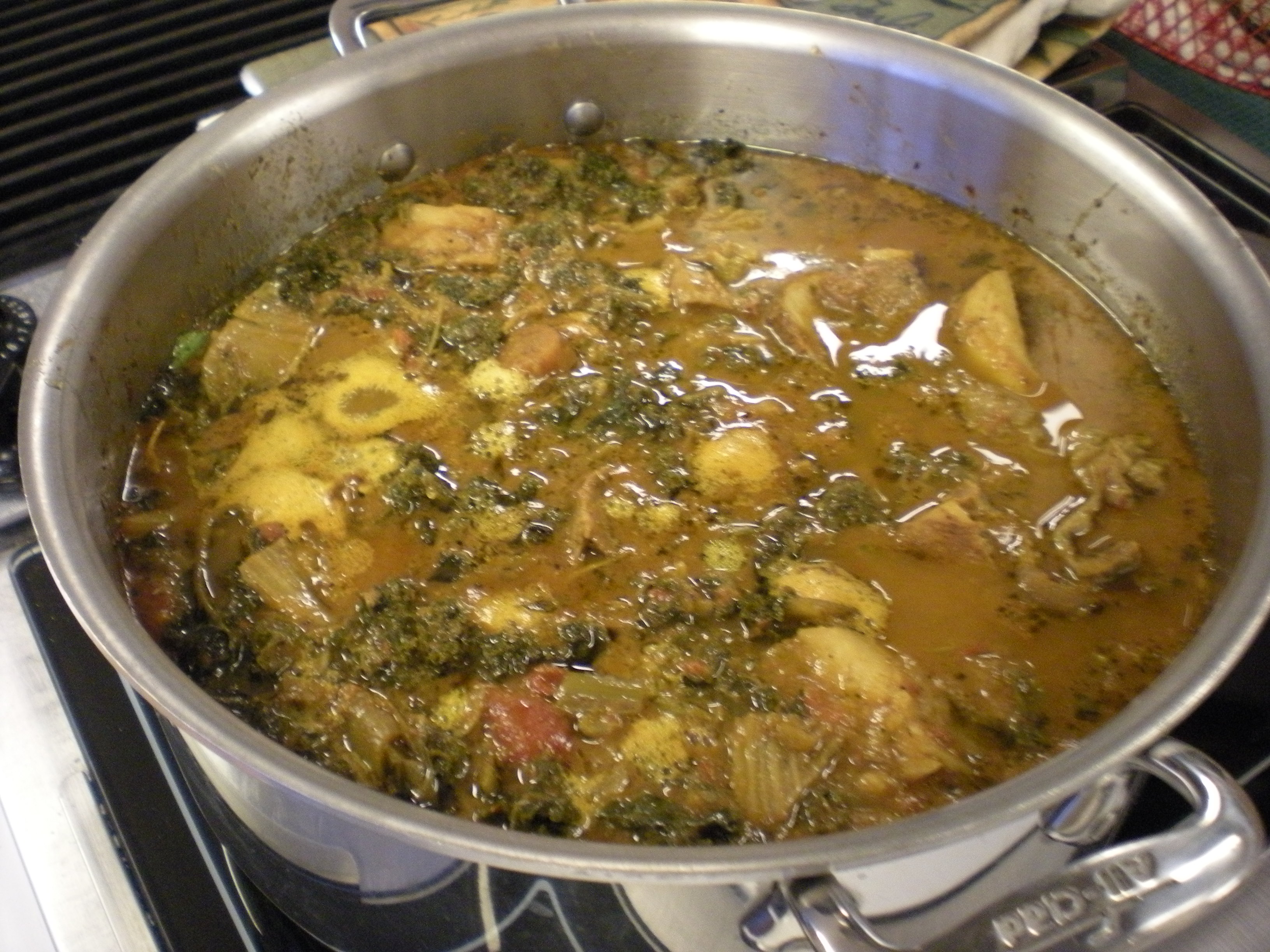
So, I took out the leftover brisket from yesterday and added it to the leftover greens and potatoes from a dark days meal two weeks ago. Added some beef broth from the freezer and let it simmer. Added a can of organic tomatoes, not local. Brisket from Boarman’s market. Slow cooked the other day.

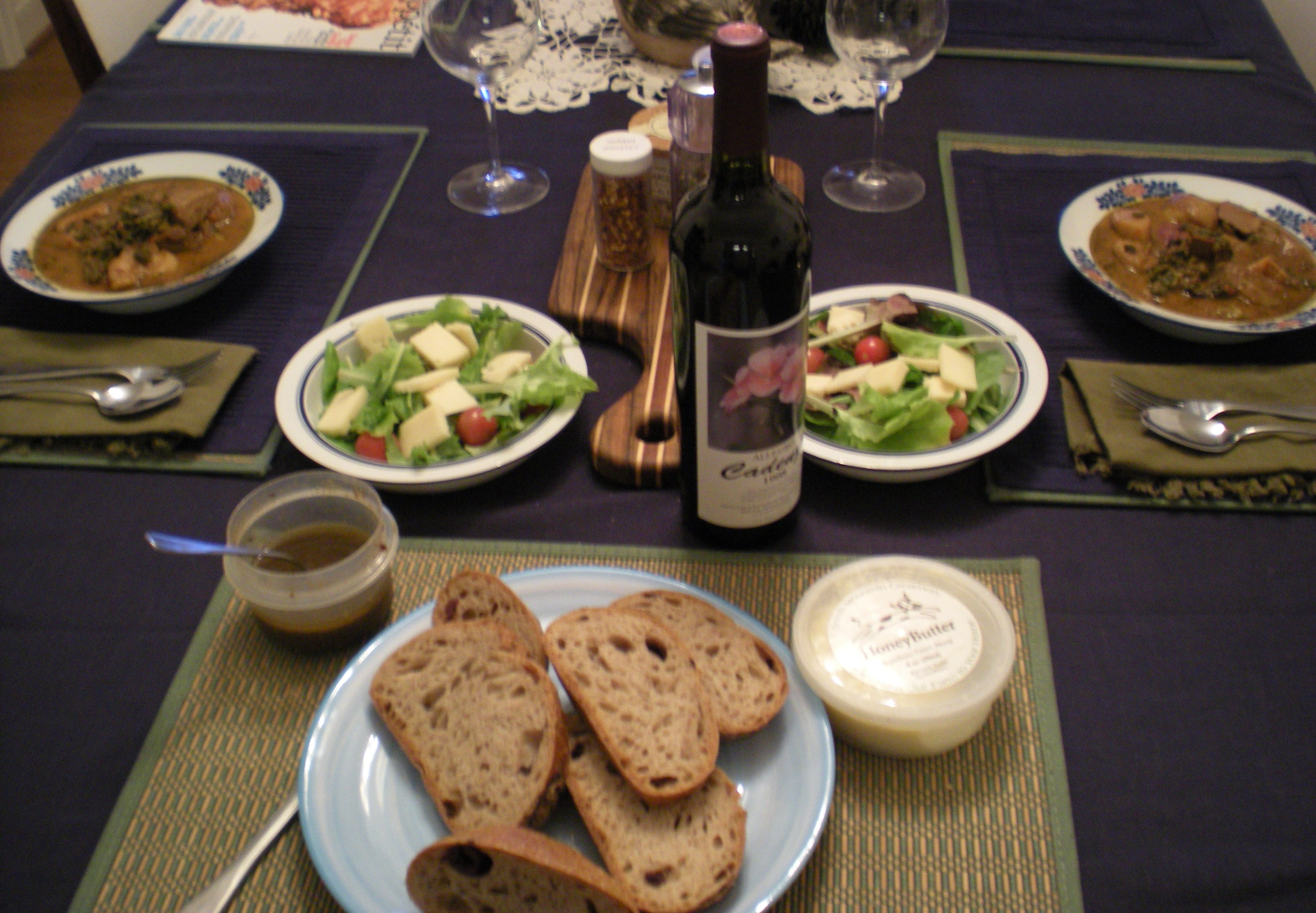
I made a salad with the Mock’s greenhouse Bibb lettuce, arugula, tomatoes and CSA microgreens. Added South Mountain Creamery cheese. Made a vinaigrette from my newly delivered oil and vinegar from St. Helena Olive Oil Co. mixed with ramp mustard from my farmer’s market trip.

Opened a 1998 Allegro Cadenza. May John and Tim Crouch (RIP) know that they made exceptional wines in PA. Sliced an olive loaf from Atwater’s bakery.


Voila, Dinner. With a few non-local ingredients, but not many.

Dark Days One Pot Meal Challenge

Posted on

So this week we are challenged to make a one pot dinner using local ingredients. I decided to make a frittata, since I have too many eggs at the moment.

The ingredients are ready to go.

The first step was to get the onion, collard and beet greens, all from my Zahradka farms CSA delivery, wilted down in the Trickling Springs butter, in the heated cast iron skillet.

I mixed six eggs from the CSA together with salt and pepper, to add to the pan after I added half the container of Bacon Jam from Virginia Lamb and Meats to give it a lovely bacony flavor. I bought the jam at the Dupont Circle farmer’s market in December and really needed to use it. I also grated some Baby Swiss from South Mountain Creamery over the top before adding the eggs and tomato.

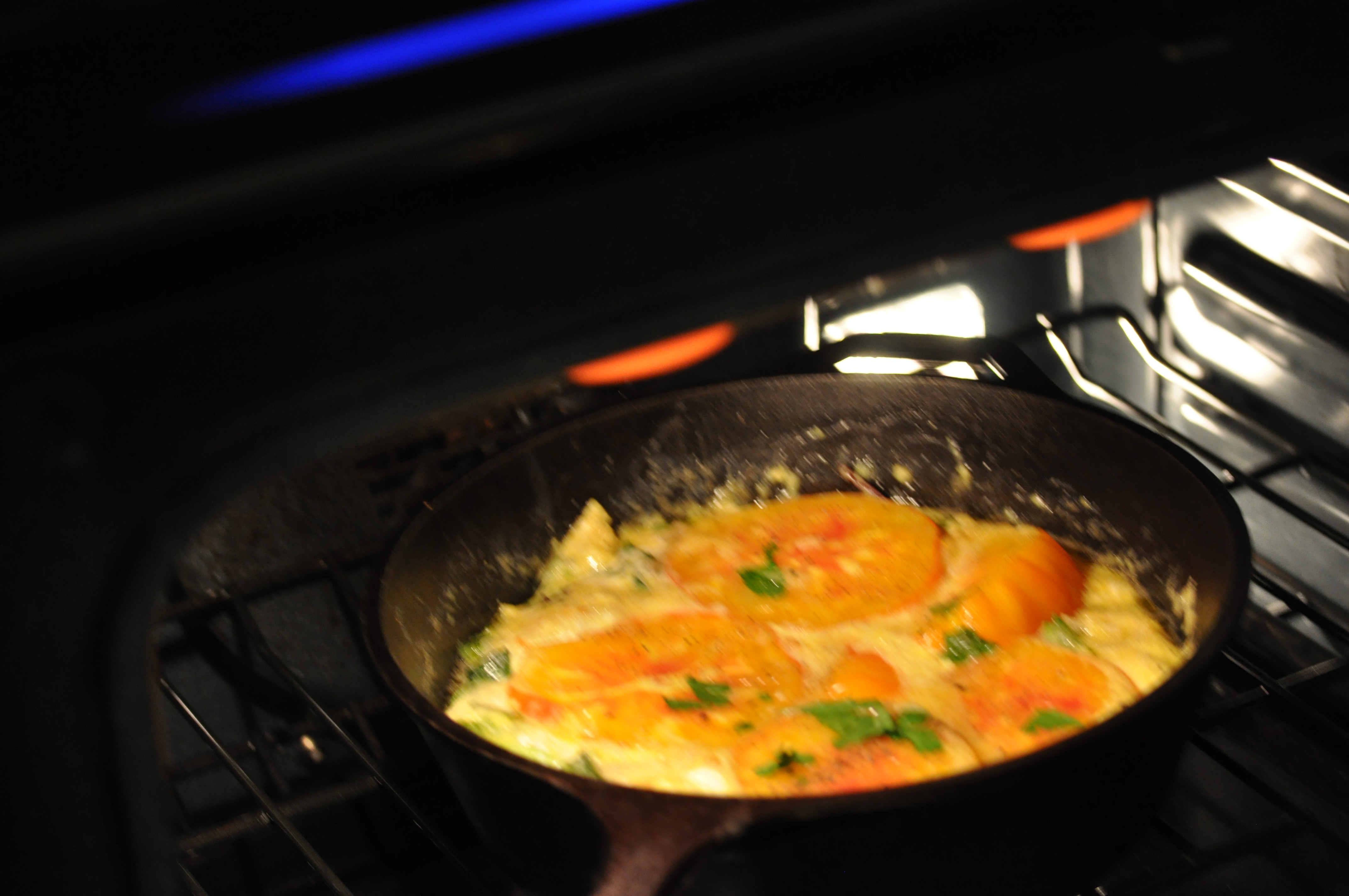
Poured the eggs around it all, and arranged on top of it all a locally grown Hummingbird Farms hydroponic heirloom tomato I picked up at Roots Market during a recent visit down to Columbia.

After it cooked for a while on the stove top, I placed it under the broiler to finish the top and brown it off.

The finished product being plated. The only non-local items in the meal were salt, pepper, and parsley. The parsley was organic, and came from Roots. Not local though. Dinner also included a 2010 Sauvignon Blanc from Glen Manor Vineyard, from our visit earlier this month.

A very satisfying and tasty Sunday night dinner, with the earthiness of the greens, the brightness of the tomato, and the unmistakable melting bacon jam adding the right touch to the dish. Another successful venture into cooking with foods from 100 miles or less from our doorstep.

Dark Days Week Six Happy New Year!

Posted on

We ended up staying home on New Year’s Day. We had been out three of the last five nights, and were not in the mood to drive to relatives. We wanted to finish some outside work before it got windy so I decided to make a crockpot beef dinner.

I turned it into a Dark Days Meal. All thrown together in the crockpot. I made:
Local Beef Short Ribs
Potatoes
Leeks
Red Onion
Tomato Sauce
Kale
Napa Cabbage
Carrots

First though, I browned the beef ribs. They were from Triadelphia Lake View Farms, and bought at the farmer’s market earlier this year.

The tomato sauce is from Quaker Valley in PA. I used it to augment the tomato/veggie sauce I had made earlier this week using stuff from my garden and the CSAs that I found in the freezer. It made a rich sauce that coated the kale and cabbage. I placed the beef on top of it all with salt, pepper, cinnamon, garlic, dried peppers (grated), and a touch of local honey. All the veggies were CSA veggies from Zahradka Farm or Lancaster Farm Fresh Coop.

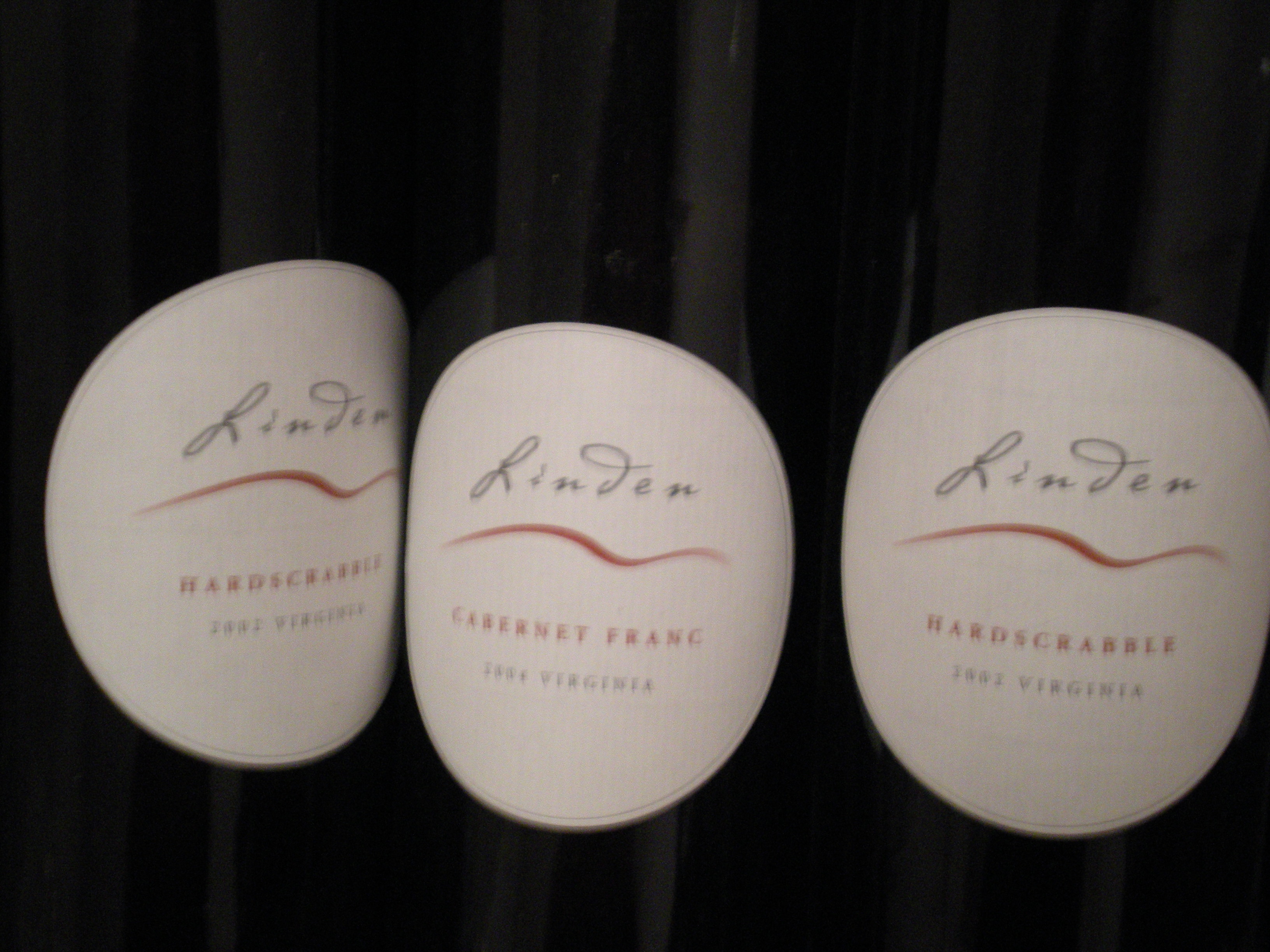
Served it with a Linden Hardscrabble Bordeaux blend, from VA. Great comfort meal on a cold night.

Dark Days Challenge Week Five Christmas Dinner

I suppose I subscribe to the philosophy when I accept a challenge to go big or go home. Being somewhat crazy, I decided to make Christmas dinner be our dark days meal for the fifth week of the challenge. I am leaving the easier dinners for when I am really running out of vegetables. Besides, I can’t believe the lovely romanesco cauliflower that was in our first Zahradka Farm CSA delivery last week. All ready to roast, it looks just like a Christmas tree, doesn’t it?

Dinner ended up being:
Roasted Cauliflower
Hydroponic tomatoes with goat cheese and basil and balsamic
Stuffed butternut squash
Virginia country ham on sweet potato biscuits
Linden Hardscrabble Chardonnay

The biscuits and ham came home with us from my brother’s house, so I do know that the biscuits were made using regular flour, one of the few non-local items in the meal. I just warmed them up in the oven.

The squash were stuffed with a honeycrisp apple, squash I roasted earlier in the week, local black walnuts, local honey, and local butter. The squash were from the Lancaster Farm Fresh CSA that just finished before Christmas.

The tomatoes came from the nearest grocery store, but Hummingbird Farms on the Eastern shore of Maryland grows lovely flavorful tomatoes year round in their greenhouses, hydroponically. The cheese was the end of the Firefly Farms chevre log. The basil from Mock’s Greenhouses in Berkeley Springs, WV.

The balsamic is not local, but bought from St. Helena Olive Oil Co., when we went there in 2006, I brought back three bottles of their aged balsamic. This is the last bottle. I need to order their oil and vinegar again, while it is cool enough for them to be shipped without damage. I buy their Napa Valley olive oils by the half gallon.

The wine is one of my absolute favorites from Virginia, Linden Hardscrabble Chardonnay. This was the 2008 vintage, the second year of our hot dry summers, and this wine is big and beautiful. It is made in the Burgundian style. Jim Law is a master of terroir, and his wines show his love of the land. If you meet him, he will tell you he is first and foremost a farmer, who happens to grow some of the most amazing grapes on his land that borders the Appalachian Trail near Shenandoah National Park.

Dinner doesn’t need to be fancy. Just flavorful. The wine, the salad, the roasted veggies, and the salty tang of country ham, all came together to make a lovely Christmas dinner for me and my husband. We do cherish the quiet times, far from the rat race we lived through in our journey to retirement. Our first Christmas since he retired, and it was a special one.

Merry Christmas and Happy New Year!

Dark Days Challenge Week Four

It’s Sunday night. The night I usually cook my local meal for the Dark Days Challenge

I went way out there this week. Making gnocchi with local spelt. My local sources are on my page linked above on the blog.

Dinner:
Heirloom tomatoes with goat cheese, basil, olive oil and balsamic.
Sweet potato gnocchi with maple syrup and sage brown butter.
Maple pork sausage with onions and peppers.
Boordy Reserve Chardonnay.

Besides the salt, pepper, cinnamon, olive oil and balsamic, everything else was local.

Tomatoes and basil from Mock’s Greenhouse. 70 miles
Sausage and butter from South Mountain Creamery. 35 miles
Maple syrup from Patterson’s Farm, PA. 200 miles (yes, outside my 150, but one of the nearest sources of maple syrup to MD)
Sweet potatoes, onions and peppers from LFFC CSA. 100 miles
Goat cheese from Firefly Farms. 140 miles.
Spelt from The Common Market, Frederick MD 20 miles.
Ricotta from Natural by Nature. 100 miles.
Sage from my garden, 10 feet

Spelt was difficult to source, but The Common Market sells it in bulk, as well as in bags from Shiloh Farms. I bought bulk. I can also get it from Atwater’s by buying bags of Daisy, or by mail from Rodale or Small Valley. I saved the postage and bought bulk, even though they don’t know whether each batch is from PA, OH or maybe NY. In my rules, if I can source it locally, I will sometimes substitute if I can’t easily pick up the item. Having it shipped adds greatly to the cost. Same for maple syrup. There is a place in MD that makes it and sells it. Buying it when I am out costs less than ordering and paying for shipping.

The wine is from Boordy and went very well with the gnocchi. I have to admit, the white spelt which is a pastry flour is way finer than wheat flour, and the potatoes were also very fresh and almost melted when baked. I had to greatly increase the amount of flour to make the gnocchi, but they came out beautifully.

The recipe was from Food Network, with my changes to use spelt.
1 1/2 pounds sweet potato, baked in the oven, then peeled and smashed
1/2 cup ricotta cheese
1 tsp cinnamon
3/4 tsp salt
1/4 tsp freshly ground pepper

Mix together. Add 2 cups of spelt, 1/2 cup at a time. You may need even more spelt as you are rolling out the gnocchi. Form a large ball. Divide into 4 pieces. Put more flour on the board. Get the right consistency by feel. If they are too wet, add more spelt. Keep on the side on a baking sheet. Heat salted water to boiling. Drop in enough at a time not to crowd them. Fish out after 5-6 minutes, and put under a foil tent to stay warm.

In the meantime, make the maple cinnamon sage brown butter. I used 3/4 stick equivalent of my dairy’s butter, 12 sage leaves, 2 TBSP maple syrup, 1 tsp cinnamon.

Bring the butter to a boil in a large pan, add sage and stand back. Stir and continue browning butter, then remove from heat and add cinnamon and maple syrup. Caution: it does foam up quite a bit, so be prepared to stir vigorously. Pour over the gnocchi and the sausages, which were baked in the oven with a little butter, two small onions chopped, and a few of my last CSA peppers.

Enjoy!

Reading the Labels

Today, after Christmas shopping for a while, I stopped at The Common Market in Frederick to find a few local items for the Dark Days Challenge. They advertise quite a bit of stuff that is from a 150 mile radius of Frederick. But that does not guarantee that the source of the ingredients meets that criterion.

Labels tell you lots of things. I know mango isn’t local, but a jar of chutney boasts the 150 mile claim, and mango is an ingredient. Their bulk foods also don’t always give the origin of the item, maybe the producer but not where it was grown.

Still, a productive trip. I got a little spelt to experiment with, for making breads. I can get organically grown local spelt from Small Valley and from Rodale Institute. This spelt may be from Ohio, which is a little farther than 200 miles away.

Do I use it in a Dark Days Challenge since I can source it locally, or be a purist and pass? If it works out, I will order some from Rodale.

I found corn meal the other day from Burnt Cabins. Mixed with white spelt, I can now do polenta. I can also do pasta. I also found a local source for emmer. The Common Market also sells it, but no idea of the source. I may be doing an order from Small Valley, where they sell emmer kernels.

I also found raw Virginia peanuts. Woo Hoo! Stir fry here I come!

This challenge is enlightening. I have greatly expanded my sources of food.

Dark Days Challenge Week Three

I find Sundays to be the best day to do the Dark Days Challenge as I am home watching football, and dinner can be made around games and halftime. I promised the OM (old man) in amateur radio lingo (as an aside I am the XYL or X young lady, single women are YLs) that he wouldn’t suffer with bad meals because I am doing this challenge. So far I think I am delivering really good food while staying within the parameters of the challenge. All of my sources are now being listed on my local resources page.

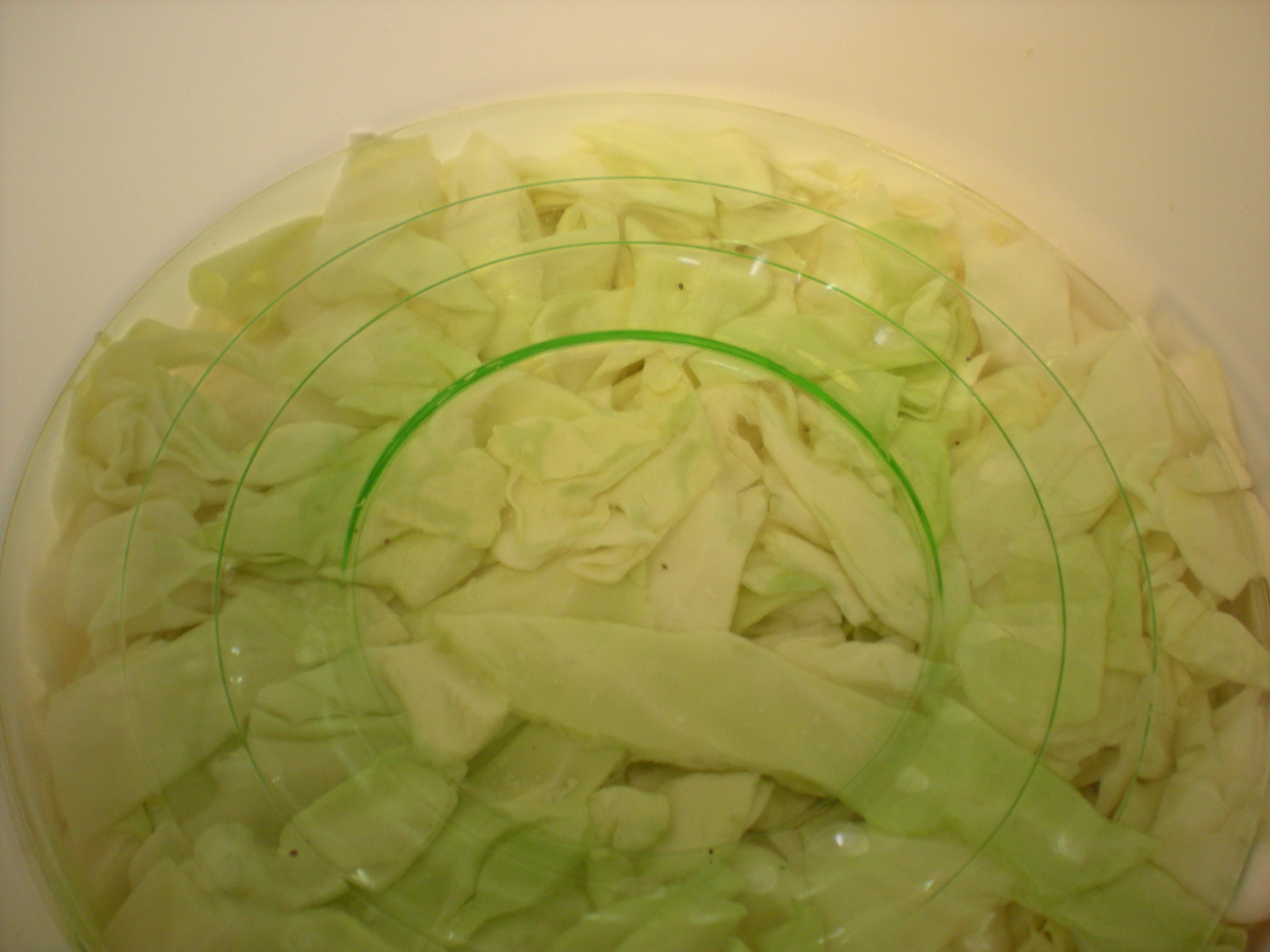
It all started with sauerkraut. I made my first batch of sauerkraut two weeks ago. This is the last of it.

I put a new batch together in the pail and will have more for meals over the holidays. Probably taking some to my brother’s house for Christmas Eve. The cabbage is from our CSA.

The sausage I bought Saturday at the Silver Spring year round farmer’s market.

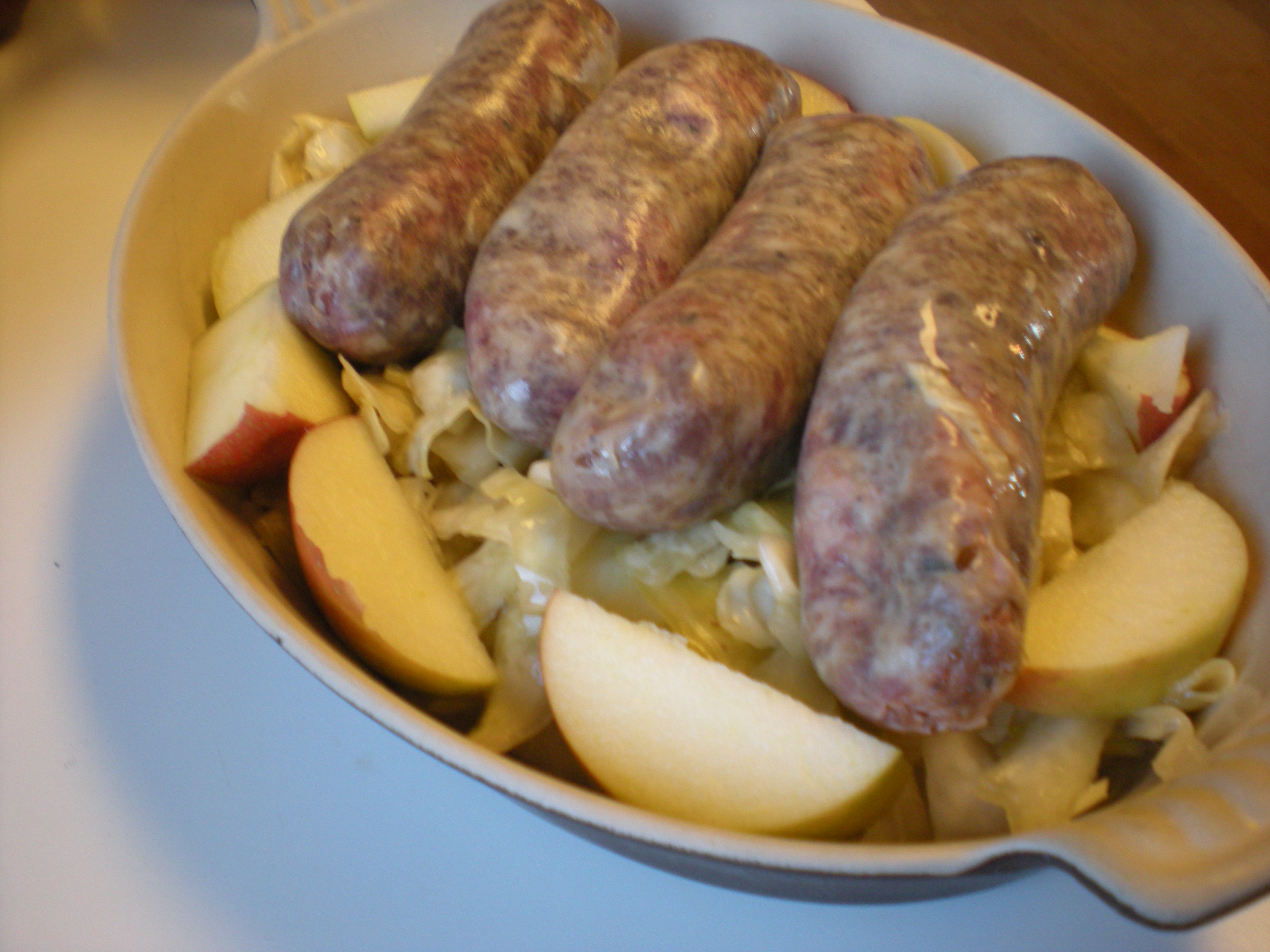
Sausage, sauerkraut, and a honeycrisp apple from Quaker Valley. Ready to bake.

I made a spinach salad. Spinach from Our House Farm, rest of the veggies from the CSA, and cheese from Bowling Green Farm in Howard County. Vinaigrette from Catoctin Mountain Orchards. Spelt bread from Atwater’s. Butter from South Mountain Creamery. The wine is a 2000 Linden Hardscrabble Cabernet Blend from VA from the cellar. Virginia has some phenomenal wineries, and Linden’s wines are some of the best here. This wine is still a baby after 11 years.

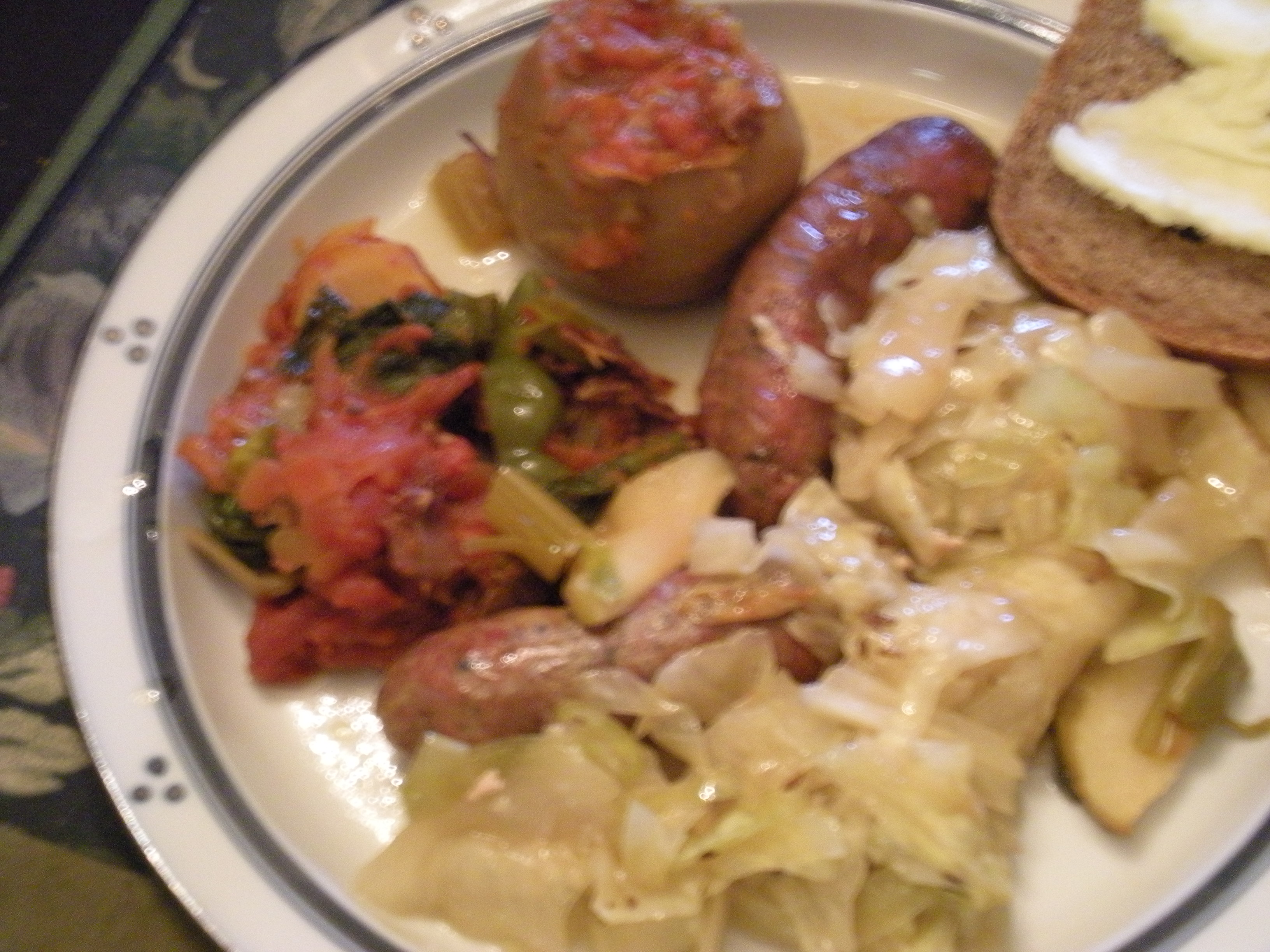
The finished dinner, including a side of roasted root veggies left over from earlier in the week. The veggies were all from the Dupont Circle Farmer’s Market or the CSA, and all were local and organic, including the huge roasted black radish which was wonderful after slow roasting. It also included plum tomatoes, celery, carrots, onions and greens. After roasting the veggies earlier this week I strained and saved the veggie stock to use later for other meals.

Who says Dark Days have to be dull? We can cook great meals with local ingredients, with a little planning.

Now this is a loaf of bread!

In my quest for local foods, I visited the Silver Spring Freshfarm market today. It is the closest year round market to me. About 20 miles south of us.

Atwater’s has a restaurant and store in Catonsville MD, where I can visit when going into town to see my mom, but it is more convenient to me to get their breads at the market.

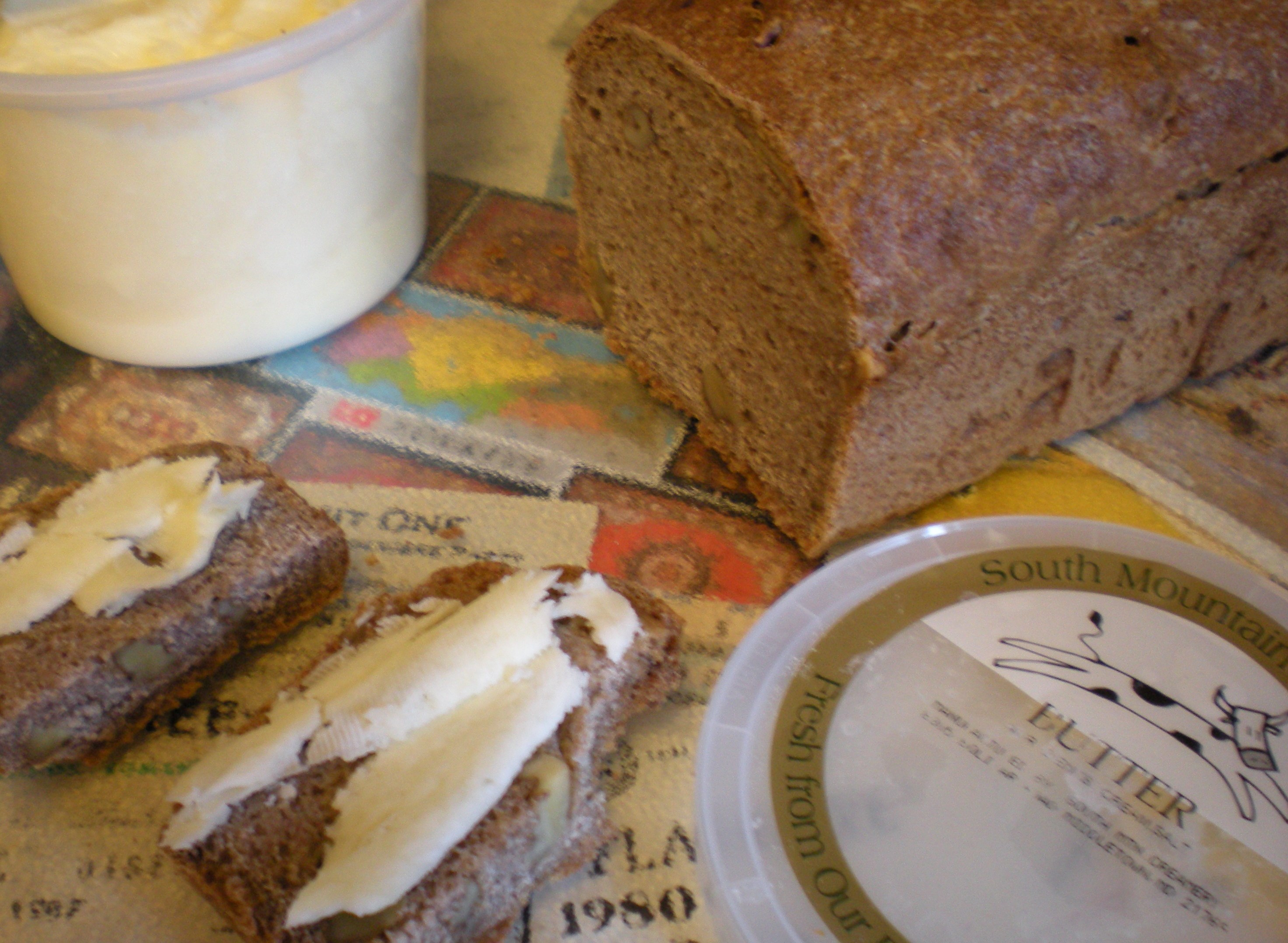
Their spelt bread is made from all natural ingredients, including locally grown spelt from PA. They had two kinds at the market, one plain and one with walnuts.

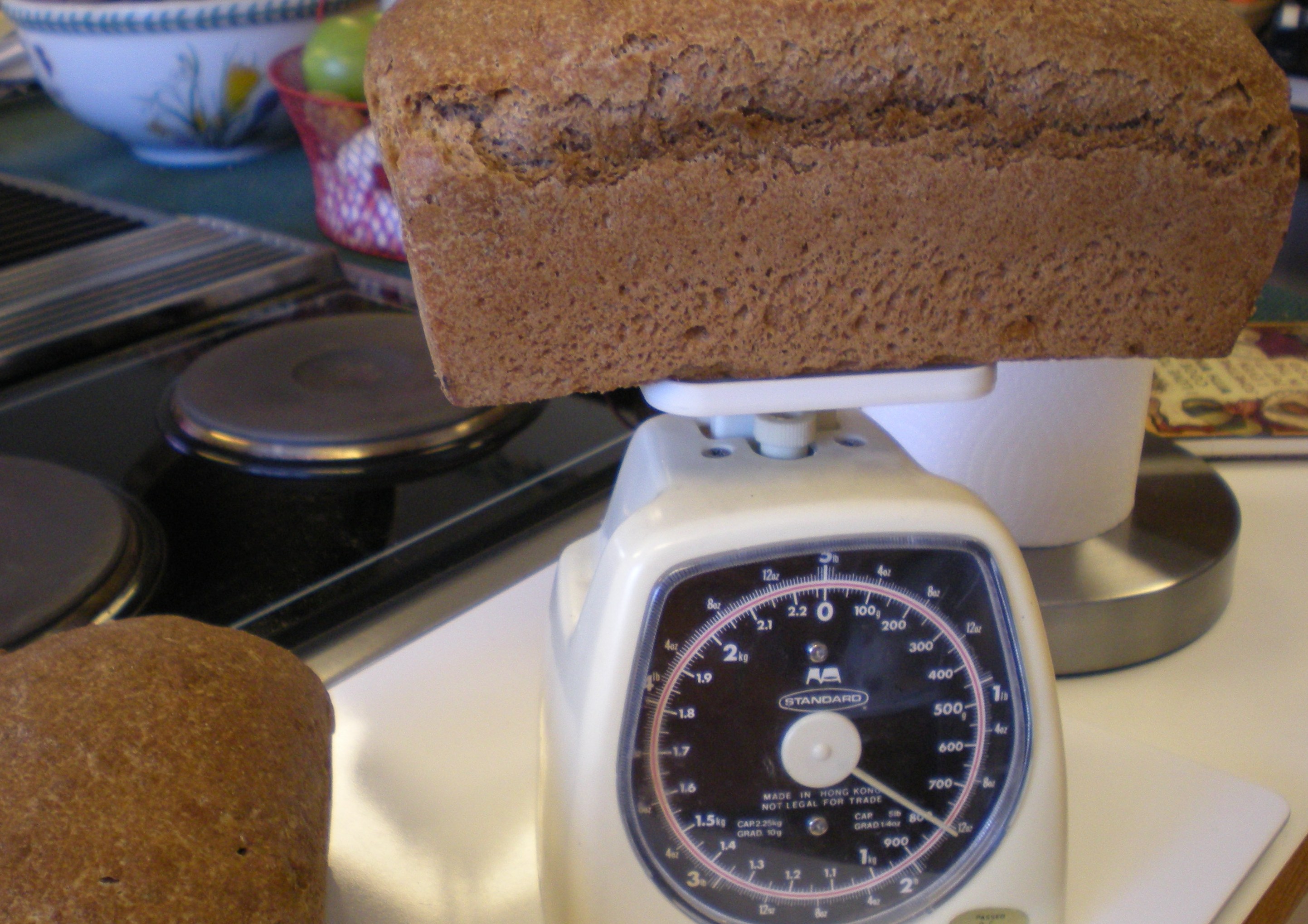
This is one hefty loaf of bread.

28 ounces!

We tried the walnut spelt as a snack, and really like the dense chewy texture of it.

Dark Days will be easier with local breads.

SOLE Food vs SLE Food vs SOE Food

Posted on

That is the dilemma. I have been researching the sources of food from the nearest markets and artisanal vendors where many items I use in cooking originate. It has been most enlightening to find that what I may think is local, really isn’t. And, what I may think is organic, is or isn’t, and even then, what does organic mean on some of the foods I buy?

I have become more of a locavore in the past seven years, removing many items from my diet that created problems due to allergies or sensitivities. I have been decreasing the amount of foods with preservatives, and cooking with fresh or flash frozen items. I have gotten farther and farther away from canned or jarred or frozen sodium laden foods.

Things that I believed were produced using local ingredients, weren’t always. They may have been produced locally, but work down the ingredient list and WOW! — eye opening at best. Organic has become a real buzzword as well.

I know some background on how wine is labeled. Pick a local wine and see American on the label and it isn’t grapes from the state where the winery is located. You have to look for the word Estate on the label to ascertain if the grapes were from the vineyards, or the grapes may have been trucked in, or juice brought in.

I have been looking hard at our local organic bread makers. Is it more important to have local grains, or organic grains, or what?

I am committed to reducing my carbon footprint and replacing items flown halfway around the world with items available locally. I also believe passionately in supporting small local entrepreneurs even if they don’t use 100% local ingredients, but look for quality natural, maybe organic or IPM fruits and vegetables. Many sources of my foods are moving in that direction. Keeping them viable by supporting them is more important to me.

I am starting my own personal challenge of cooking at least one “Small Business Sustaining” meal each week, as well as doing Dark Days. It may not be big or exciting but it is my way of making a tiny difference.

Real Time Farms has inspired me. I think it is a great resource and I will be using it to look for more sources even after Dark Days are over.